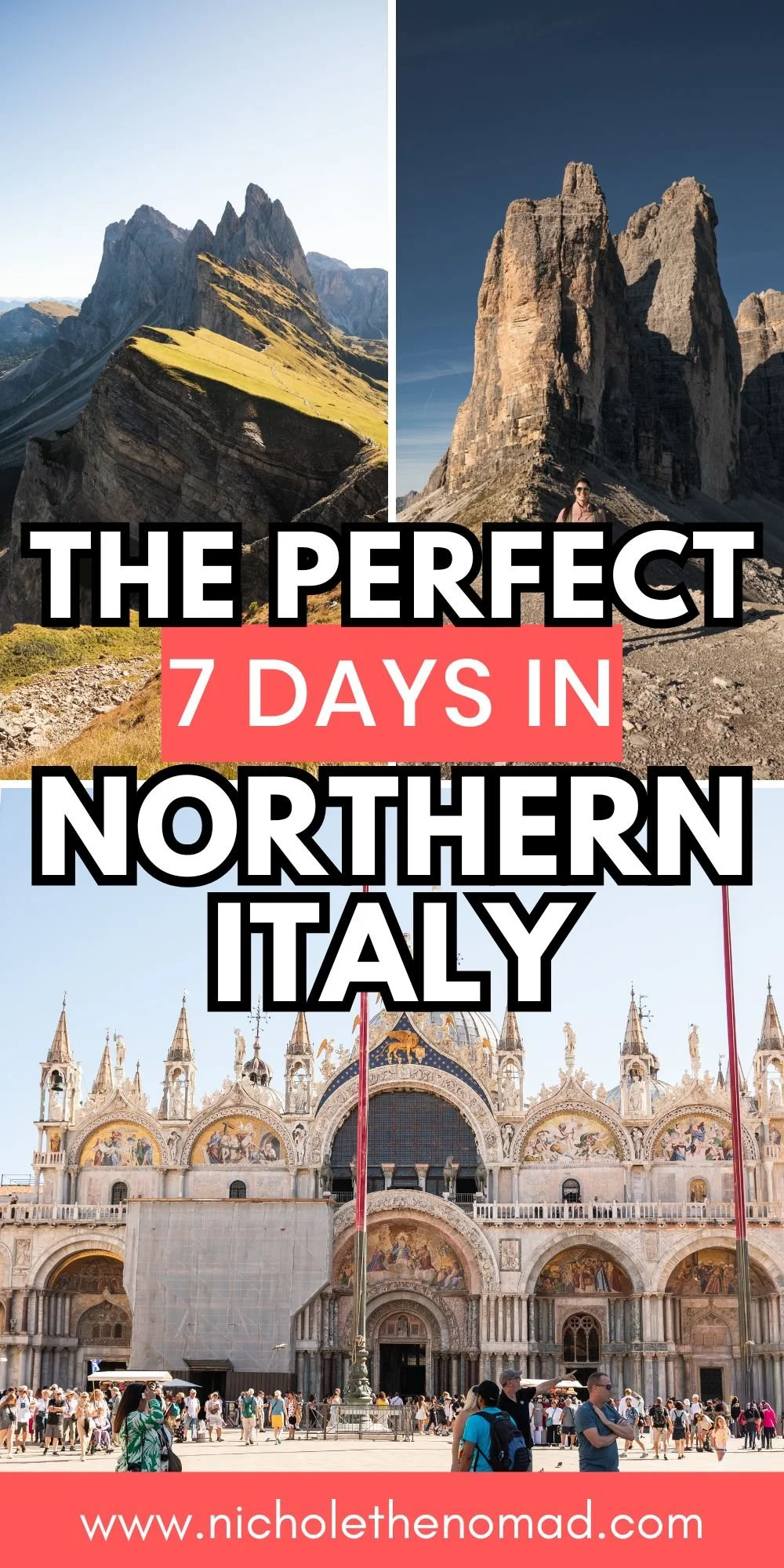
The Best 7-Day Northern Italy Road Trip Itinerary: Venice to the Dolomites
Although the entire country of Italy is stunning, there is something special about northern Italy. If you love old cities, fun hiking trails, and breathtaking mountain views, I highly recommend adding northern Italy to your bucket list.
Northern Italy has many beautiful places, and it was honestly hard to decide where to visit during our 7-day road trip. We decided to explore the Dolomites and Venice during our trip to get the best of both worlds: mountains and a historic city. And trust me, it did not disappoint!
We spent most of our road trip in the Dolomites, hiking through its breathtaking mountains before ending our trip in Venice. I think it was the perfect way to spend a week, especially if you want to prioritize hiking.
If you want to plan an epic trip to northern Italy to explore the Dolomites and Venice, you are in the right place. This guide has everything you need to know about the best 7-day northern Italy road trip itinerary!
Disclaimer: This post contains affiliate links. If you click through and make a purchase, my blog may receive a commission at no additional cost to you.
Tips for Visiting Northern Italy
These tips are crucial for planning a trip to northern Italy, and they made a big difference in planning our itinerary. I recommend keeping this list handy when planning your trip!
Check Gondola schedules in the Dolomites. Most gondolas in the Dolomites are only open from May to October, and opening times change depending on the month. If you are visiting a popular area, like Seceda, I recommend riding the first gondola of the day to avoid lines and enjoy the trails with fewer people.
Have some cash for toilets and rifugios. Although some restrooms are free and some rifugios accept cards, we ran into a few instances where both required cash. For example, the rifugios near the Tre Cime di Lavaredo and Cadini di Misurina hikes are cash-only for food and use of their toilets.
Pack layers and a rain jacket. The Dolomites have unpredictable weather that can change unexpectedly, making it crucial to pack gear just in case. The top of gondolas may also have cooler weather than the nearby towns, especially in the morning, and we always carried at least a light jacket to help.
Pay for your entry fee for Venice in advance. Recently, Venice established an access fee for tourists visiting from April through July. The access fee is required if you enter the city on Friday through Sunday and on a few other days during those months. You can pay in advance or upon arrival in Venice.
Start your days early. Millions of people visit the Dolomites and Venice each year, so I recommend starting your days early to enjoy peaceful strolls through Venice and quiet trails in the Dolomites. If we needed to ride a gondola in the Dolomites, we tried to get on the earliest one because the lines are extremely long midday. The same goes for Venice. Because it is one of the most visited cities in Italy, its streets are crowded. I recommend getting up early to enjoy a peaceful breakfast at a cafe and enjoy the sights with fewer people.
Walk around Venice instead of using vaporettos. Vaporettos are convenient because they are the public transportation water taxis in Venice, but the rides can add up quickly and sometimes take longer than walking. One of the best things to do in Venice is to get lost in the city by walking its streets. I recommend taking the time to walk everywhere to experience everything it has to offer.
If you are celiac, download the AIC app. My husband is celiac, and I have a gluten allergy, so we were a bit nervous traveling to Italy. Luckily, Italy has a great program for celiacs, and restaurants can become AIC-accredited, which means they take precautions to create a safe environment for celiacs to eat. Tourists can download the app for 14 days for under $5, which we used throughout our trip, and it was incredibly helpful!
Where to Fly into in Northern Italy
Although there are a few airports you can choose from, I recommend flying into Venice since the last part of your northern Italy road trip is in the city. We flew into Venice, and honestly, I think that was the best choice.
The Dolomites have a few other small airports nearby, but those tend to have limited options and potential delays. Venice will be your best option for flight availability and reliability!
I also recommend renting a car because it will make your life a lot easier and give you the flexibility to be on your own schedule. We rented a car for most of our trip and returned it before we arrived in Venice. It worked out great and saved us a bit of money since we only needed a car for the first five days of our road trip!
Where to Stay in Northern Italy
Because this itinerary travels the Dolomites and Venice, I recommend staying near Val Gardena, then Cortina d’Ampezzo, and finally in Venice. Doing so allows you to stay near most of the attractions in each section of the itinerary, so you spend less time driving and more time exploring!
Days 1-2: I recommend staying in Val Gardena. It has many nearby towns with accommodations, with the most popular being Ortisei. Other great options are Santa Cristina, Castelrotto, or Chiusa.
Days 3-5: I recommend staying in Cortina d’Ampezzo. It is the perfect basecamp for the rest of your itinerary in the Dolomites.
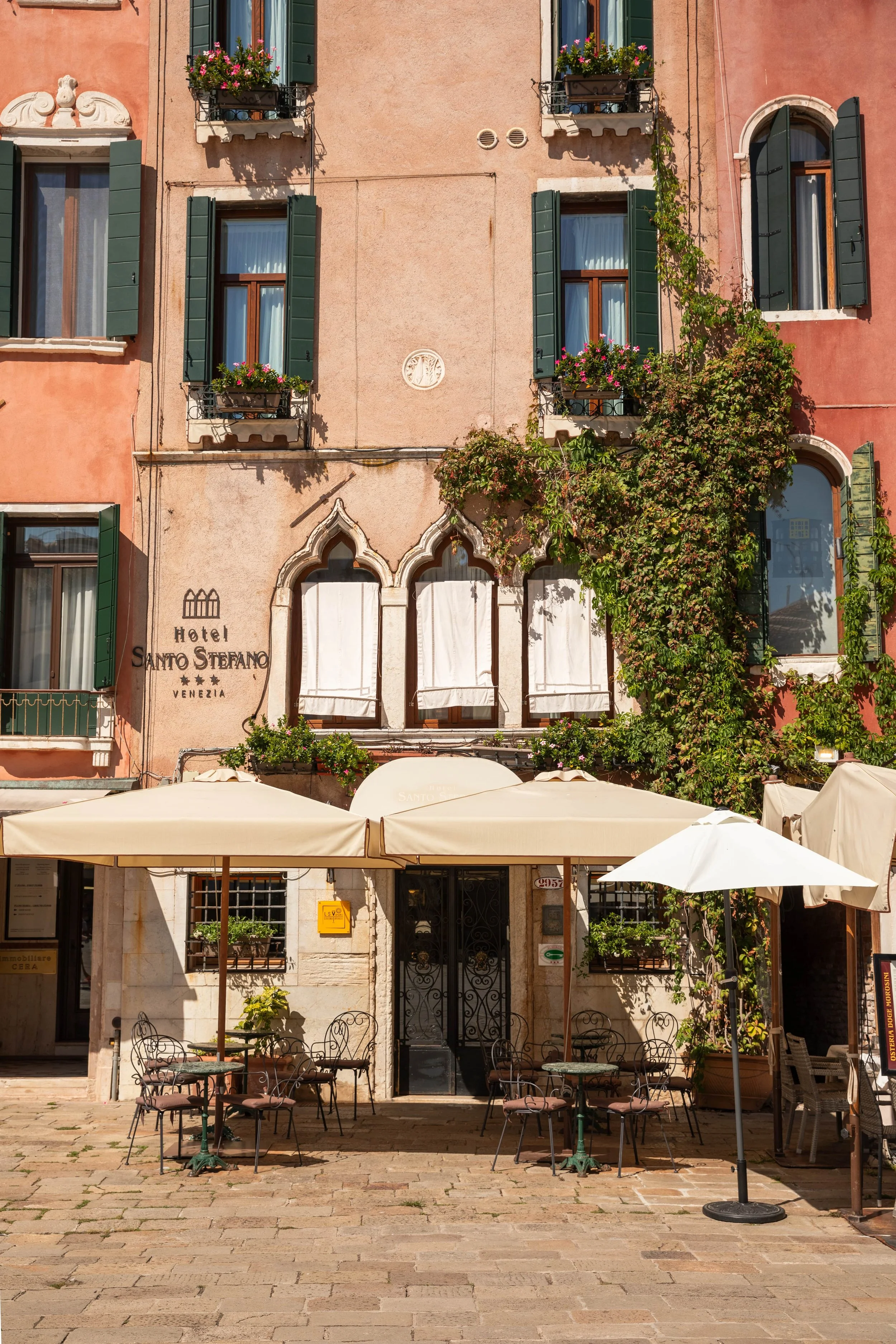
Days 6-7: I recommend staying in Venice. It has six neighborhoods you can stay in: Cannaregio, Castello, San Marco, San Polo, Santa Croce, and Dorsoduro. Since Venice is not a huge city, any of these areas is a perfect basecamp.
What to Pack for Northern Italy
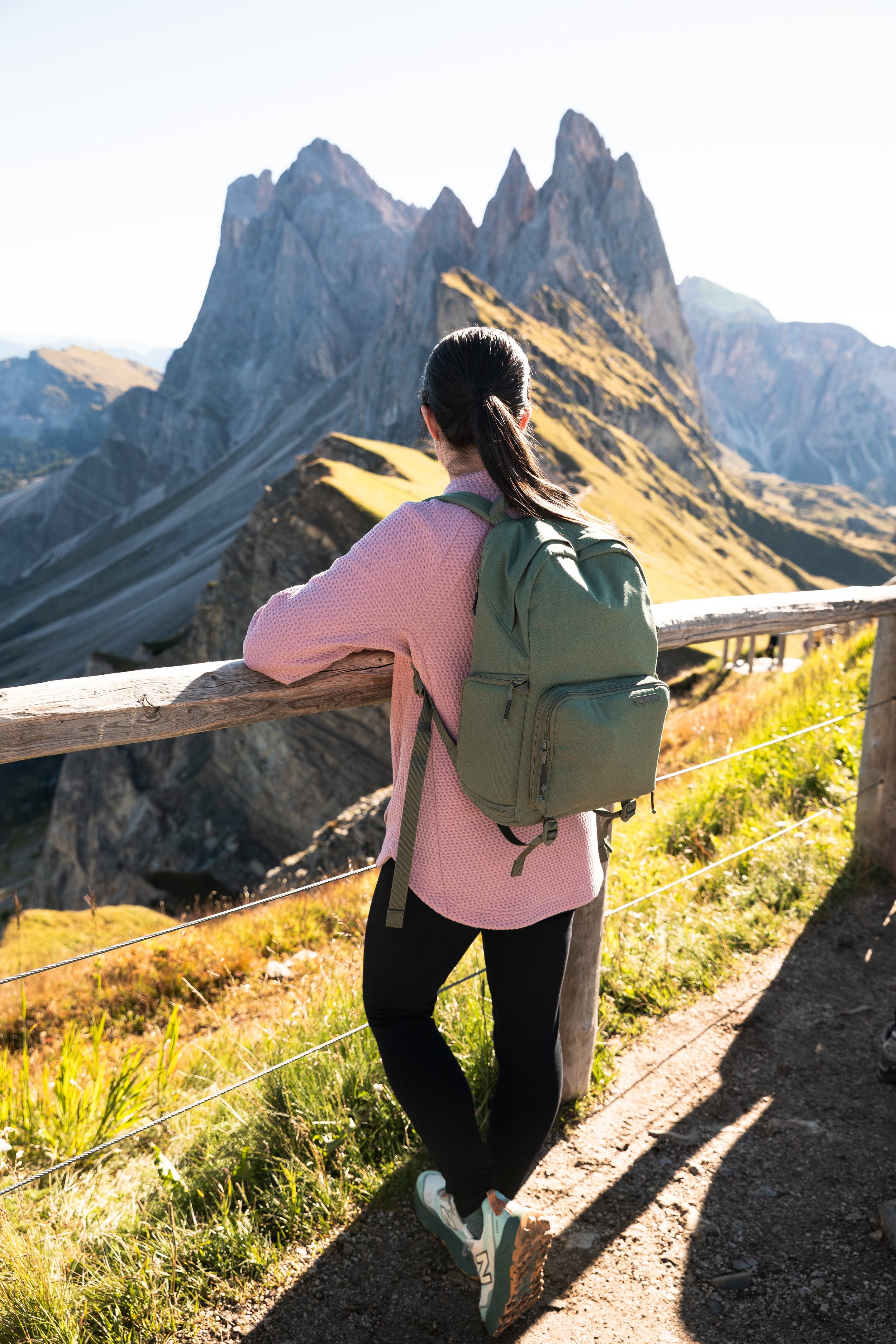
The mountain weather in Italy can be unpredictable, so it is crucial to pack the right gear and layers for the season you visit. When we were in the Dolomites, the weather could go from sunny to rainy in just a few hours.
This is a great baseline for what to pack, and you can adjust as needed:
- hiking boots
- moisture-wicking clothes
- hiking backpack
- food and water
- rain jacket
- fleece jacket
- insulated jacket
- sunscreen
Northern Italy Road Trip Itinerary: 7 Days from Venice to The Dolomites
Although northern Italy has many places to visit, this itinerary focuses on the Dolomites and Venice. If you have extra days, I recommend adding on places like Verona, Lake Como, and Milan.
When I was planning our northern Italy itinerary, I felt a bit overwhelmed because there are many places to visit. I ultimately decided to visit the Dolomites and Venice because those were the top two places on my bucket list.
I knew I wanted to spend most of my time in the Dolomites because I wanted to prioritize hiking. We decided to end our trip in Venice because our friends recommended it over other nearby cities. And trust me, both areas did not disappoint! It was such a fun trip!
I took everything I learned from our Italy road trip to create the best itinerary for you to use. If you want to visit Venice and the Dolomites, this road trip is perfect for you.
Day 1: Seceda and Ortisei
Seceda
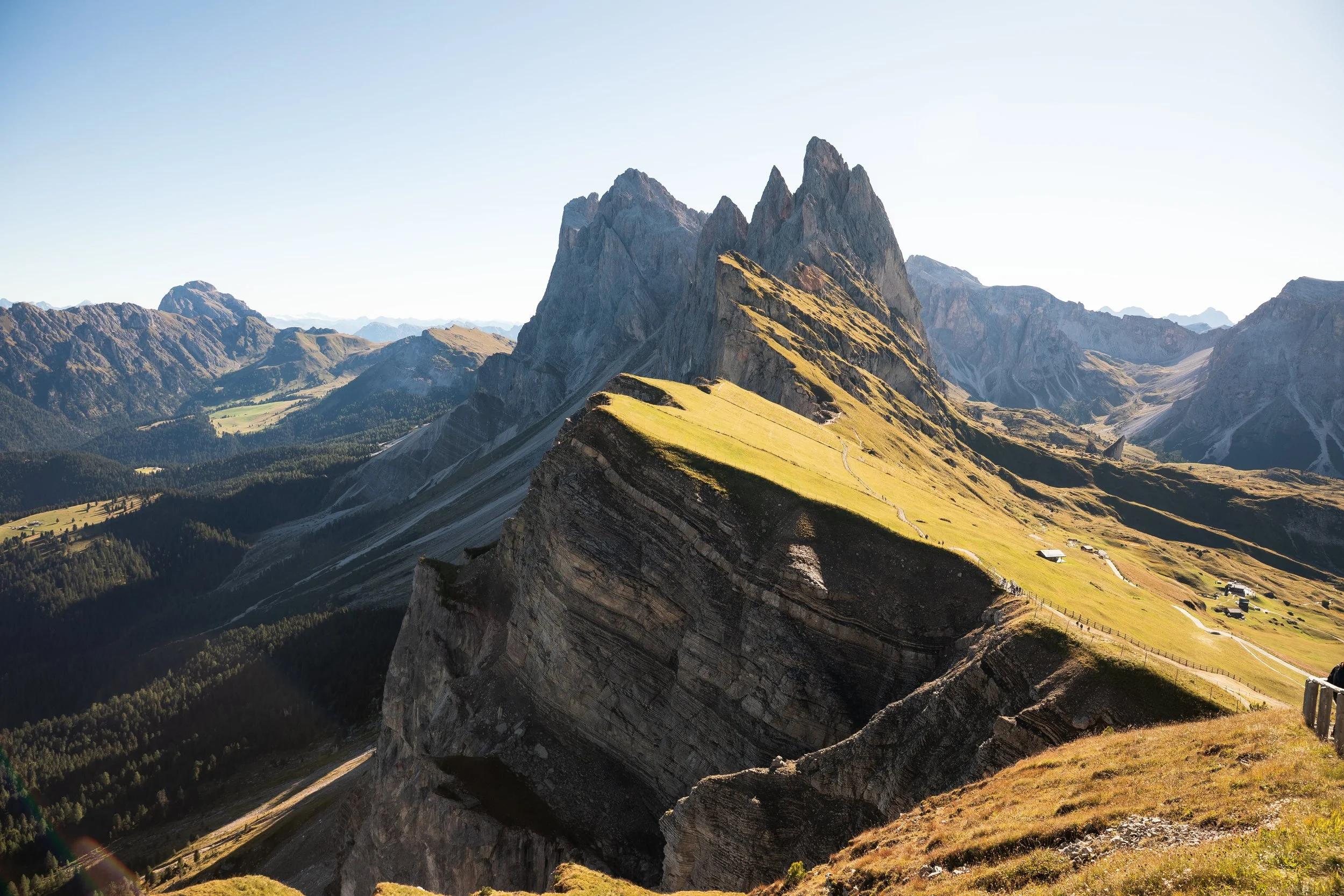
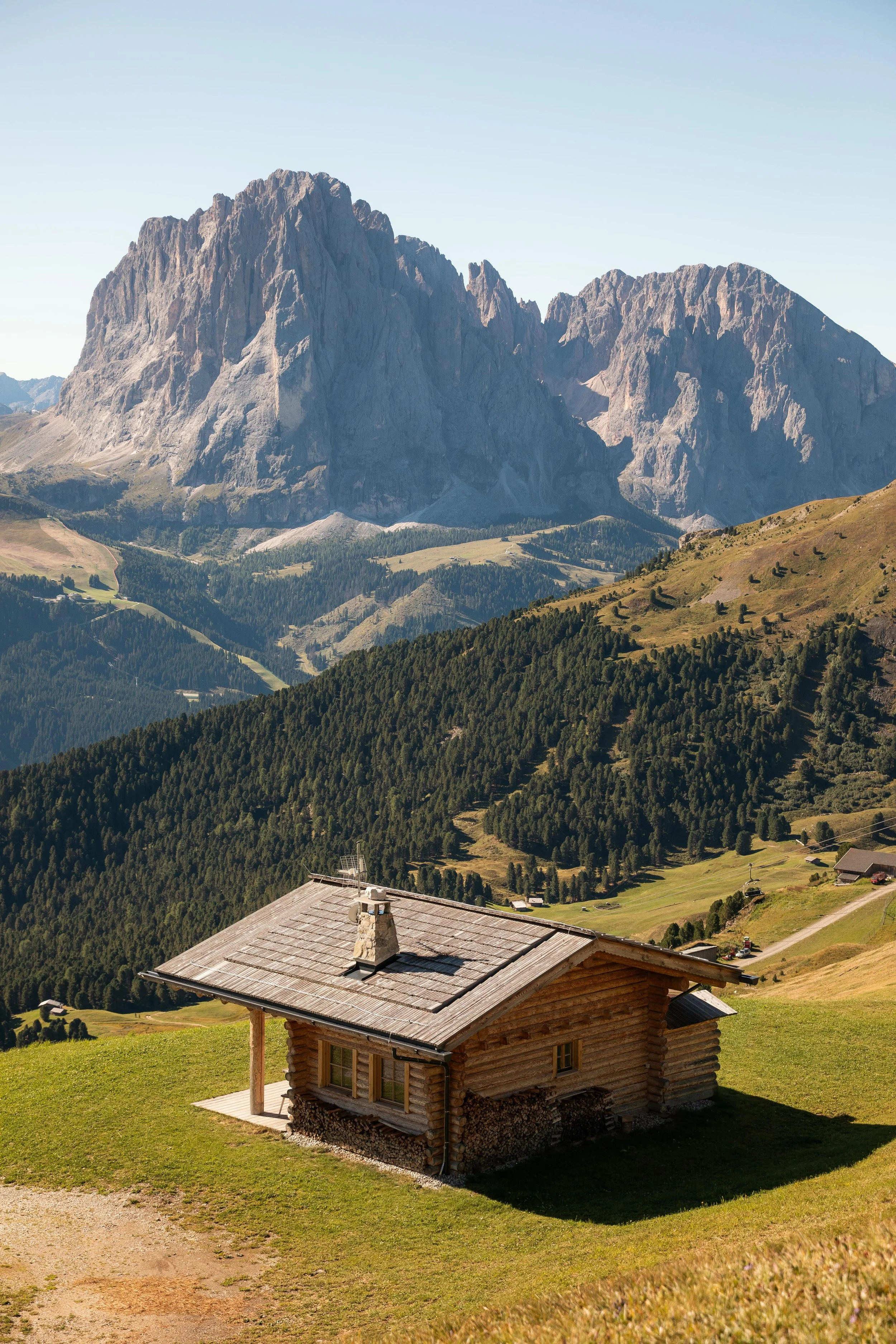
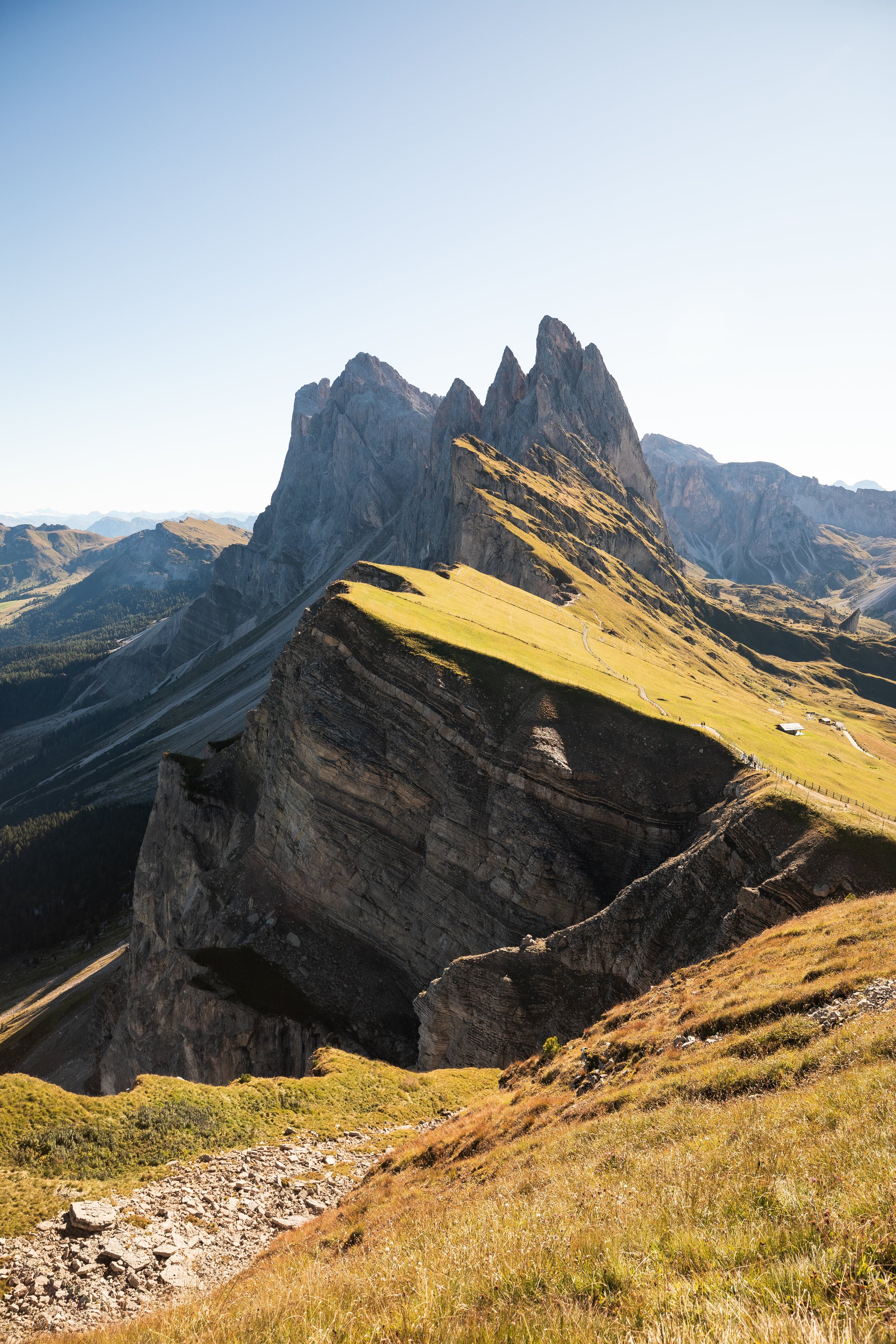
Seceda is one of the most iconic hikes in the Dolomites and will quickly become one of your favorite places.
To reach the iconic viewpoint, you have to take two gondolas from Ortisei, which are open from 8:30 am to 5:30 pm throughout the summer. I recommend getting the first gondola to avoid long wait lines and crowded trails. We were among the first people on the gondola, so we did not have to wait in line long, but when we came back down, the line was very long.
Once you are at the top, you can hike only to see the iconic views along the 1.5-mile loop or hike a longer 6-mile loop to see more of the area.
Note: If you want to hike the entire 1.5-mile loop, you have to pay an additional fee to access some of the trail. We skipped that portion because, honestly, the best views are before the fee gate.
We decided to hike the 6-mile loop, and it was so worth it! The views along the entire hike are stunning, and we enjoyed crowdless trails, which was nice.
If you have the time and want to explore more of the area besides Seceda, I highly recommend the 6-mile loop! We loved hiking the loop because the views were breathtaking! The end of the loop to get back to the gondola is steep, but we took our time, which helped.
Seceda also has a few huts where you can grab food or drinks and relax with a view. We saw many people hanging out at the Baita Sofie Hütte, and we would have done the same if it were not so crowded. But it makes the perfect place to take a break and eat lunch before heading back down on the gondolas.
Ortisei
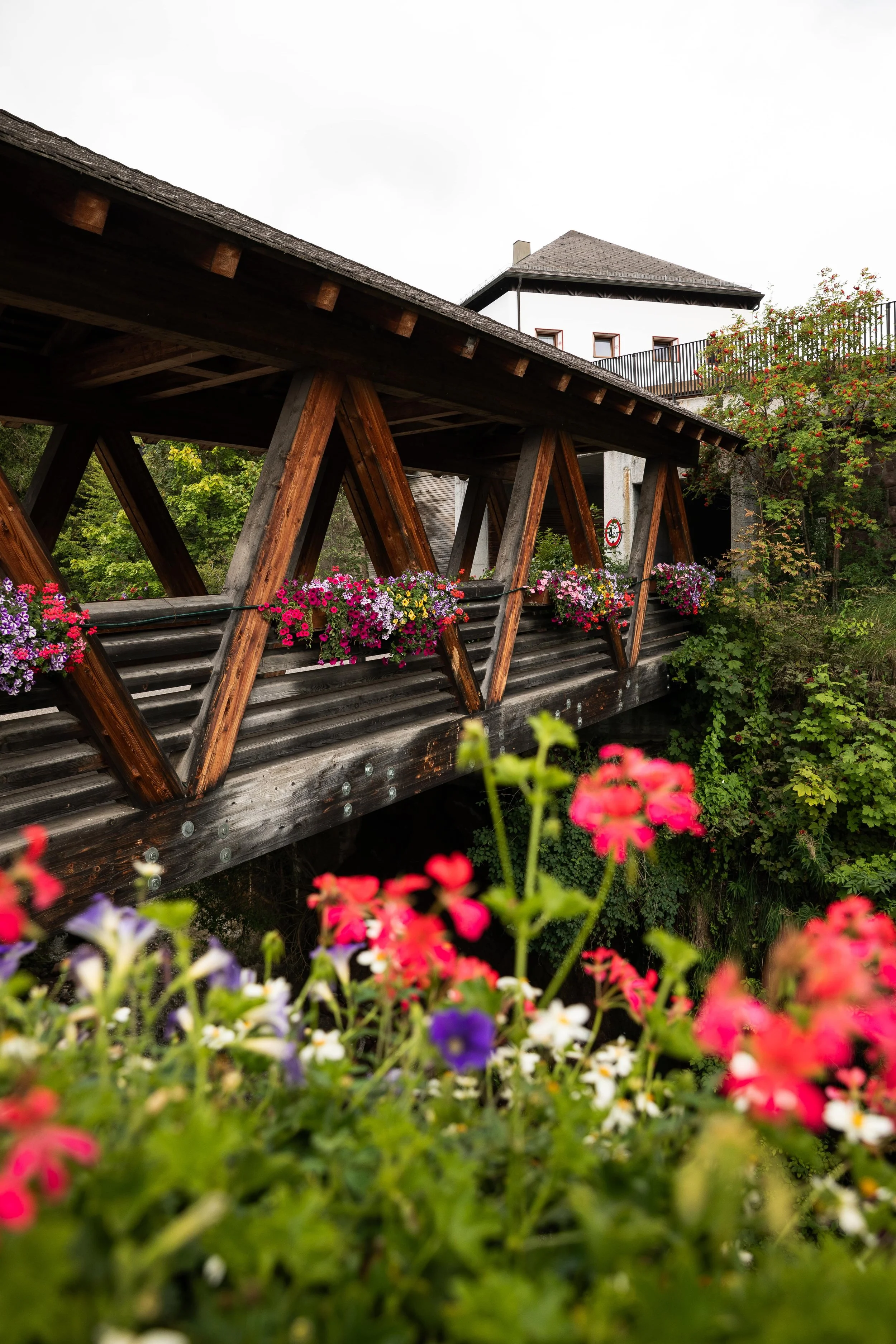
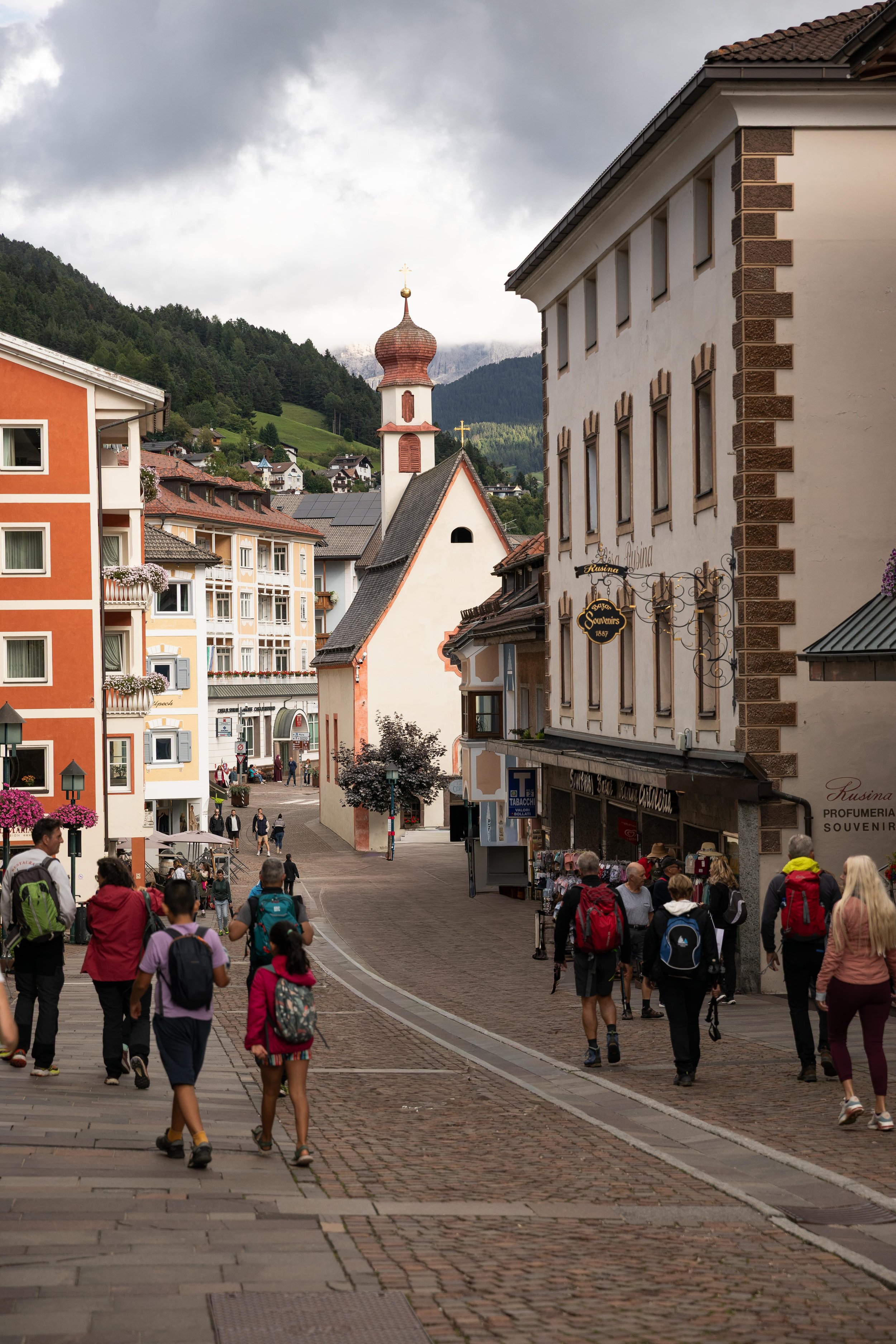
After a fun day of hiking, it is time to grab dinner and explore Ortisei. Ortisei is the most popular mountain town in Val Gardena and has shops, restaurants, and mountain views. No matter what type of food you are craving, you will be able to find something in Ortisei.
We spent a peaceful afternoon strolling through the streets, visiting shops, and eating delicious food. We made a reservation for dinner, which I highly recommend you do because Ortisei was busy in the afternoon, and some restaurants had long wait times.
Day 2: Alpe di Siusi and Val di Funes
Alpe di Siusi
Alpe di Siusi is another iconic place in the Dolomites, known for its breathtaking views of the surrounding valley and mountains. Although a few gondolas bring you to Alpe di Siusi, the easiest way is to ride the gondola from Orteisei, which is open in the summer from 8:30 am to either 5:30 pm or 6:00 pm, depending on the month.
Once at the top, you can enjoy walking along the many trails, including the 2.7-mile loop near Alder Lodge Alpe, where the iconic viewpoints are.
If you have extra time, you can explore more of Alpe di Siusi towards Compatsch, where you can rent bikes, hike more trails, or simply enjoy the beautiful views.
Val di Funes
Now it is time to head out for an afternoon adventure! Val di Funes is a stunning valley with beautiful mountain views, and you could honestly spend an entire day or two hiking the trails near here. I recommend enjoying a meal in Val di Funes before starting your adventure.
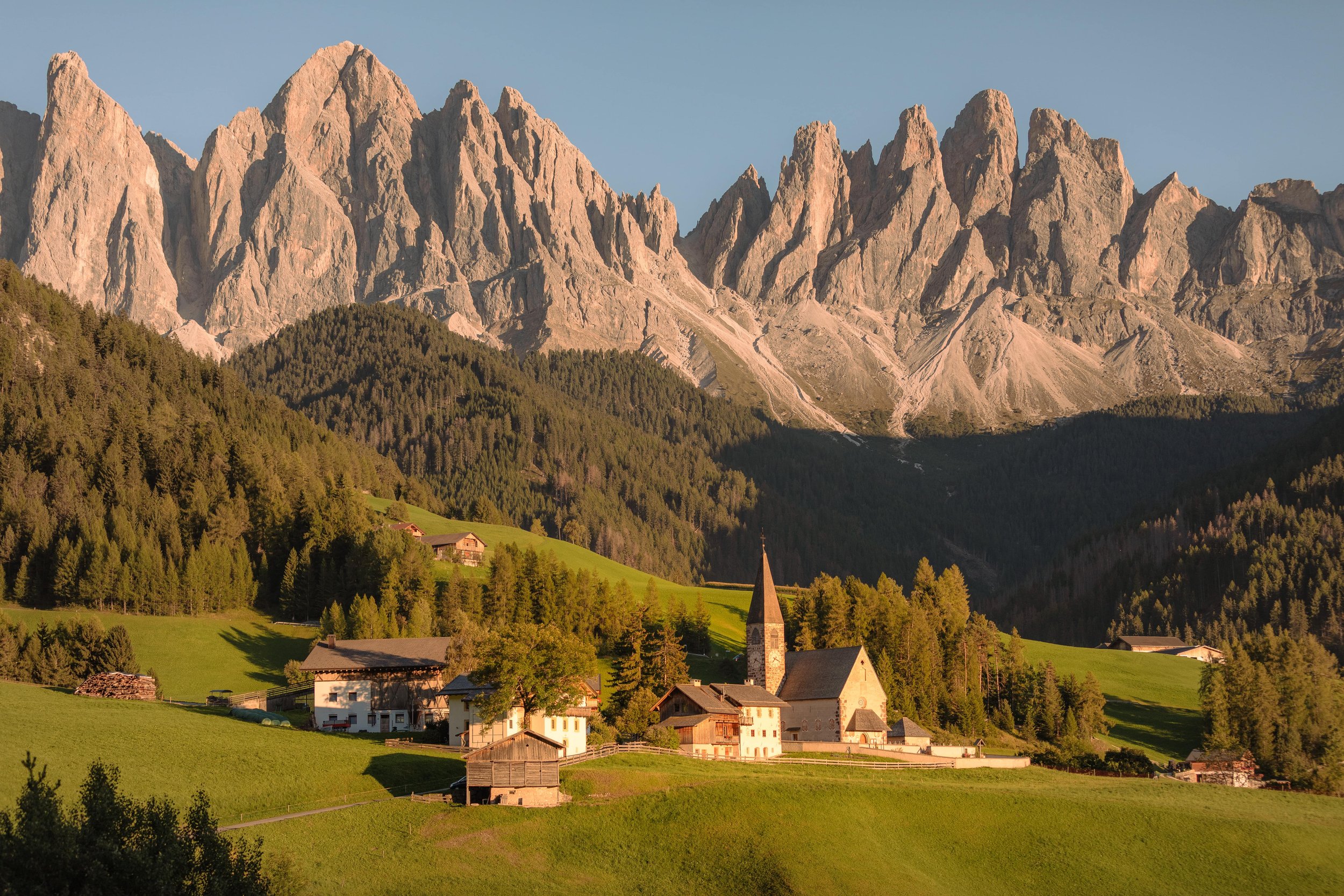
The two iconic viewpoints in Val di Funes are San Giovanni Church and Santa Maddalena Church. I was in awe of how beautiful this area was, so I know you will quickly fall in love with it!
To see San Giovanni Church, you can walk to a viewpoint along the beginning of St. Johann Road. A small observation deck allows you to see over the fence surrounding the property and take in the stunning scenery.
If you want to get up close and personal with the church, you can go to Ranuihof Farm and purchase an entry ticket to explore its grounds.
To see Santa Maddalena Church, you have to hike a 3-mile round trip trail to the iconic viewpoint. The trail follows easy-to-follow paths and paved roads, and the views along the entire trail are stunning!
The trail first leads you to the church grounds before traveling to a higher viewpoint overlooking the town, church, and surrounding mountains. The view is stunning and perfect for sunset!
Make sure to give yourself plenty of time to hike to the final viewpoint before sunset. We arrived at the final viewpoint about 60 minutes before sunset, and it gave us plenty of time to enjoy the breathtaking views.
Note: Both of these churches are in residential neighborhoods, so as always, be respectful and only hike along designated paths.
Day 3: Drive to Cortina d’Ampezzo
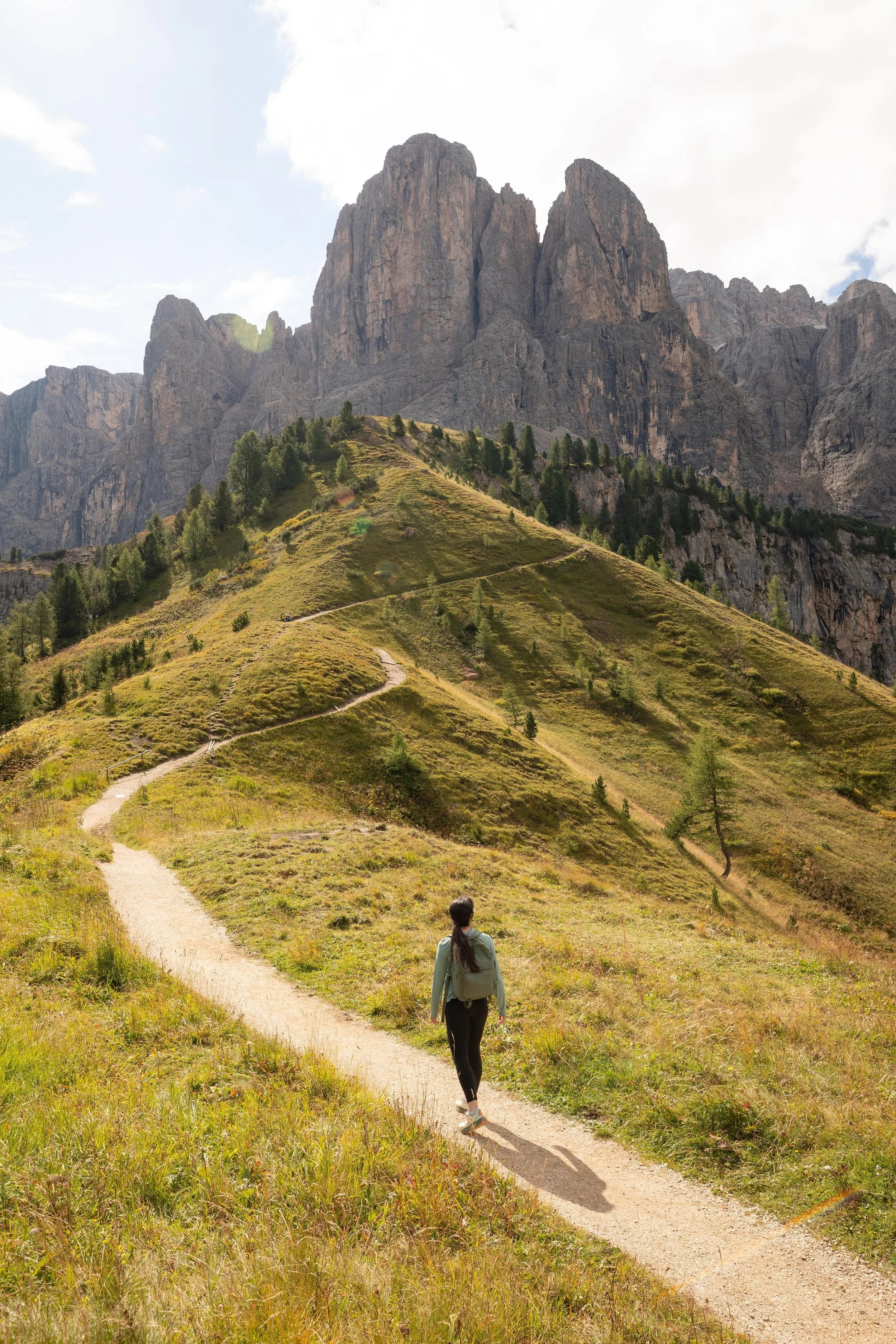
Gardena Pass
One of the first viewpoints along the drive to Cortina d’Ampezzo is Gardena Pass, and let me tell you, this quickly became one of my favorite areas.
I recommend parking near Rifugio Frara and walking up to the trail behind it. Although you could hike the steep trail to another rifugio, you can enjoy the stunning views just from hiking a short way along the trail. The best views are at the beginning!
We stayed here for quite some time, enjoying the views and a snack. I absolutely loved this viewpoint, and we were lucky to arrive when we did because the clouds were moving in fast!
Cinque Torri
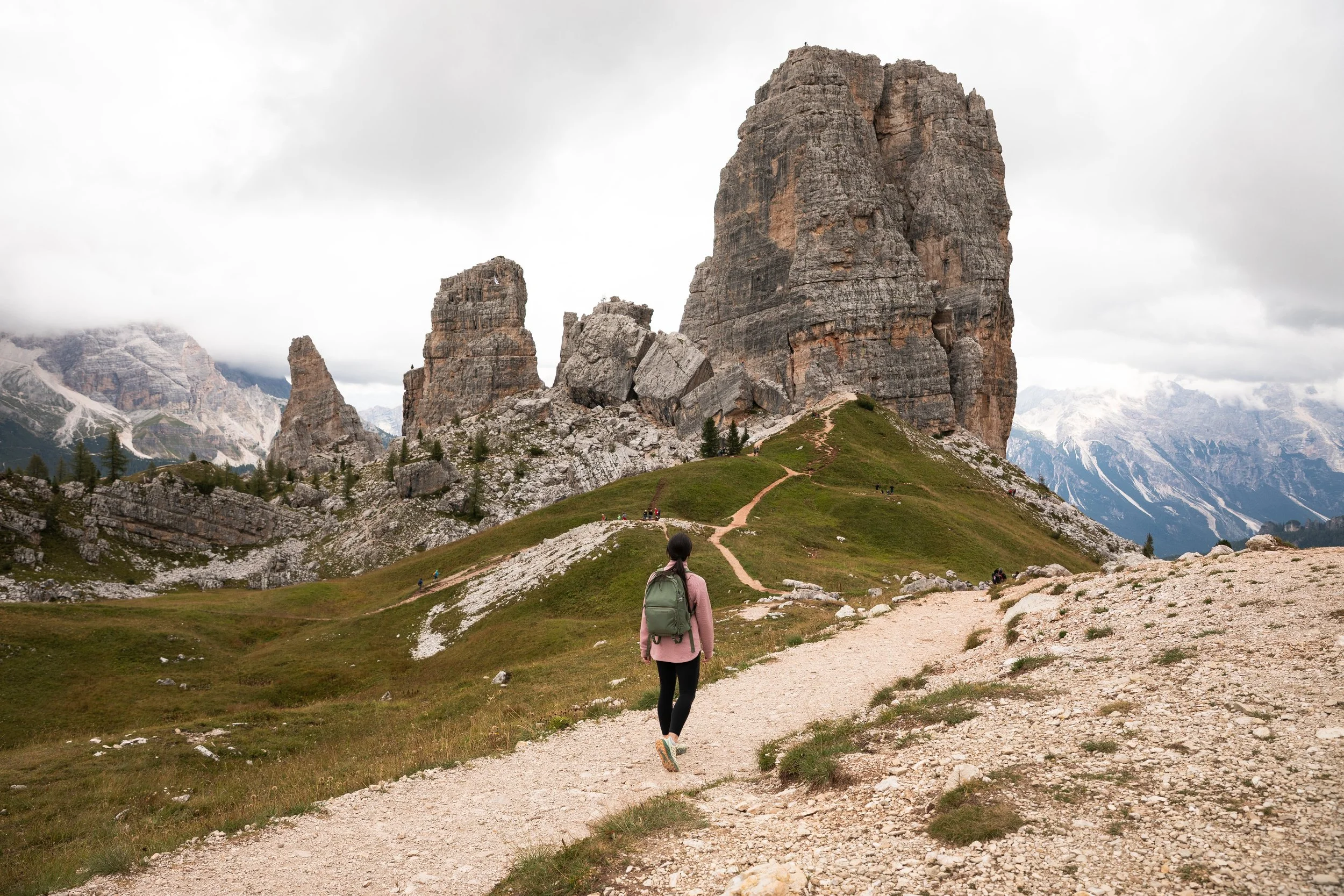
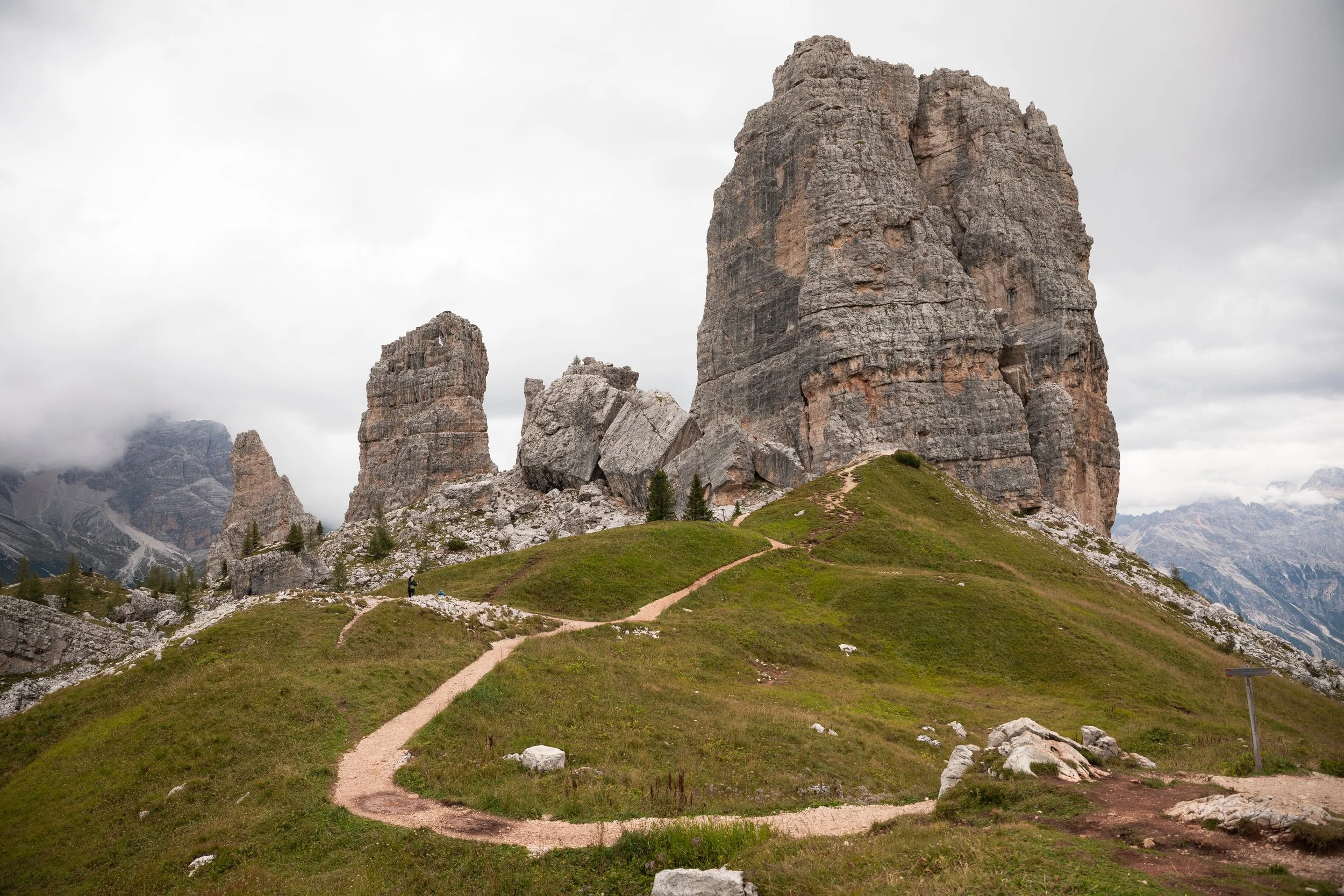
Once you are almost at Cortina d’Ampezzo, you can take another break to explore Cinque Torri. This area is absolutely stunning! Not only do you get five cool rock formations, but you get 360-degree views of the surrounding mountains. The trail also brings you through an open-air museum with historic bunkers and trenches from World War I. It is really cool!
To reach the top, you can either hike the 1.6-mile one-way trail or ride the gondola. We rode the gondola because it was easier, and the views along it were stunning!
Once at the top, you can enjoy an easy 1.3-mile loop around Cinque Torri. The views of the 5 rock formations and surrounding mountains are stunning, and it was cool to get up close and personal with them. We also saw many rock climbers.
If you want a longer hike, you can add Rifugio Averau onto the hike for a total of 2.3 miles round trip. Our original plan was to hike to the rifugio, but the weather quickly changed, bringing in rain, so we were only able to hike the Cinque Torri Loop. But the hike was still stunning!
Cortina d’Ampezzo
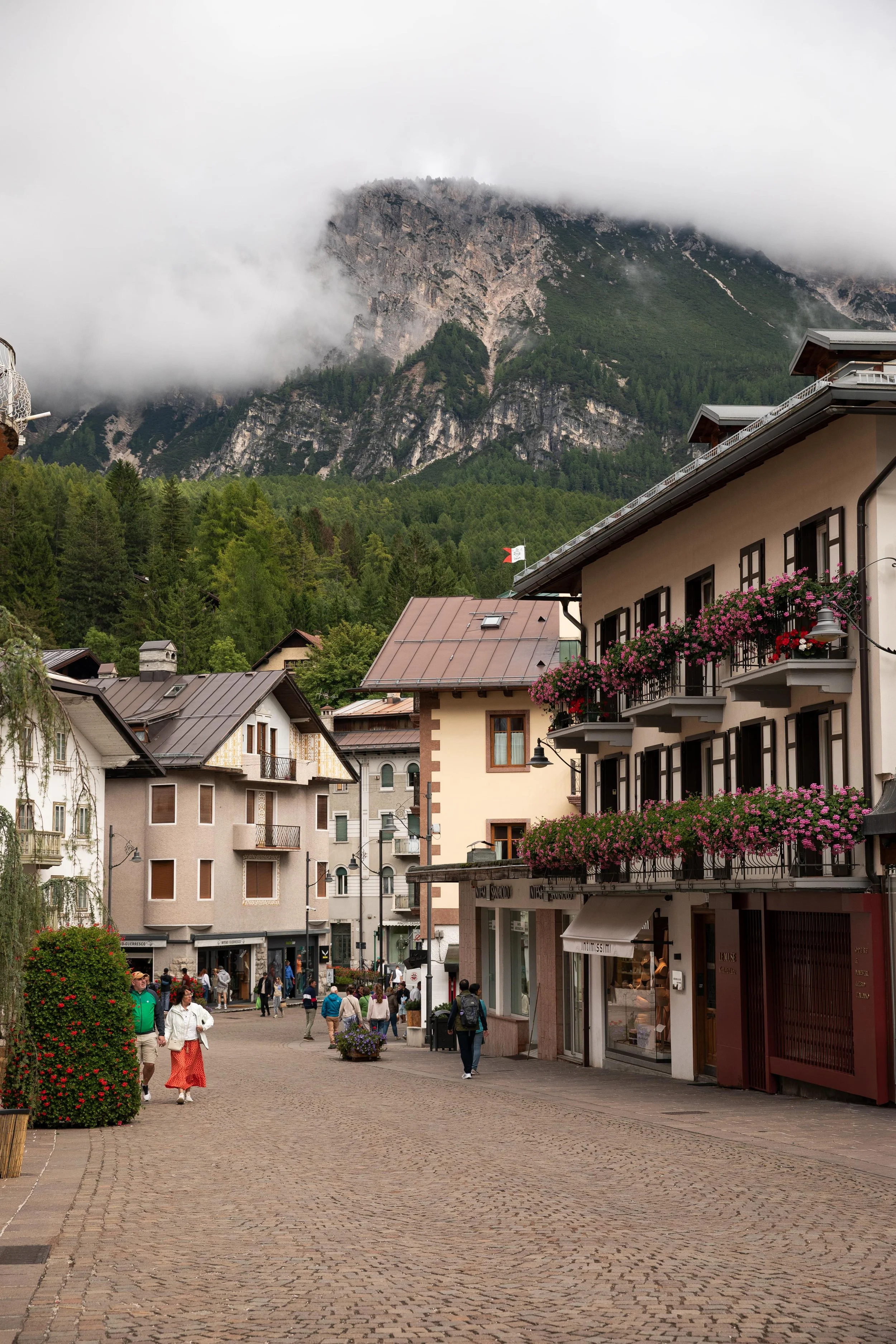
Once you arrive in Cortina d’Ampezzo and check into your accommodation, I recommend exploring the town. Cortina d’Ampezzo is a stunning mountain town with shops, delicious food, and breathtaking views of the surrounding mountains.
We spent a few hours exploring the little shops and eating dinner. Cortina d’Ampezzo is another one of the most popular mountain towns in the Dolomites, so I recommend making a reservation if you can! Some restaurants had long wait times, especially for dinner.

Day 4: Cadini di Misurina and Tre Cime di Lavaredo
Note: Starting in 2025, you must reserve your parking space in advance at Rifugio Auronzo. I recommend reserving it as far in advance as possible because they book up quickly, especially in July and August. The parking reservation allows you to stay in the parking lot for up to 12 hours, which is perfect if you want to hike to both Tre Cime di Lavaredo and Cadini di Misurina. I also recommend booking an early timeslot to enjoy the trails with fewer crowds.
Tre Cime di Lavaredo
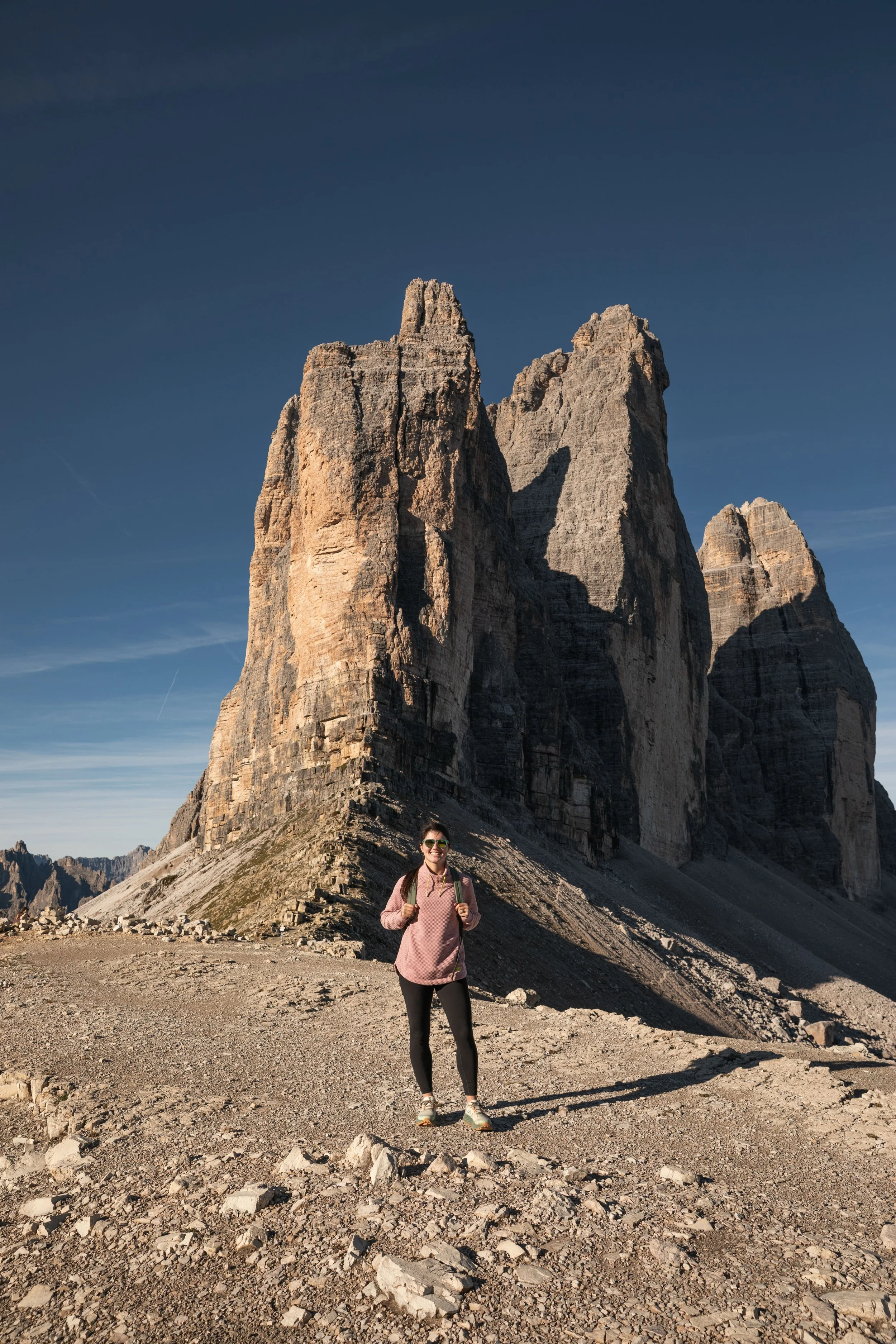
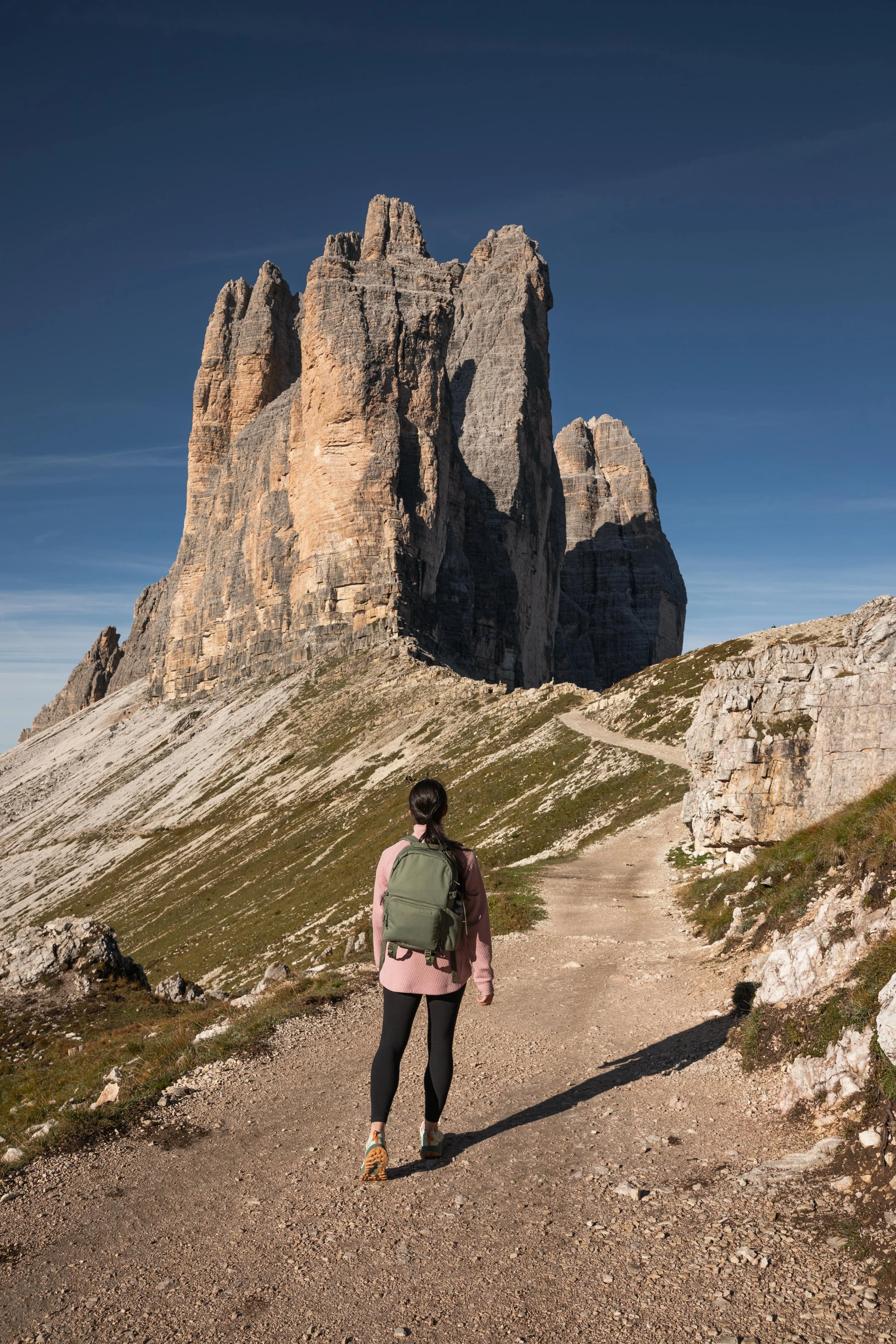
Tre Cime di Lavaredo is one of the most popular hikes in the Dolomites for good reason! The views of the three peaks and surrounding mountains are breathtaking, and you do not have to hike far to take in the stunning views. It quickly became one of my favorite hikes, so I know you will fall in love with it, too!
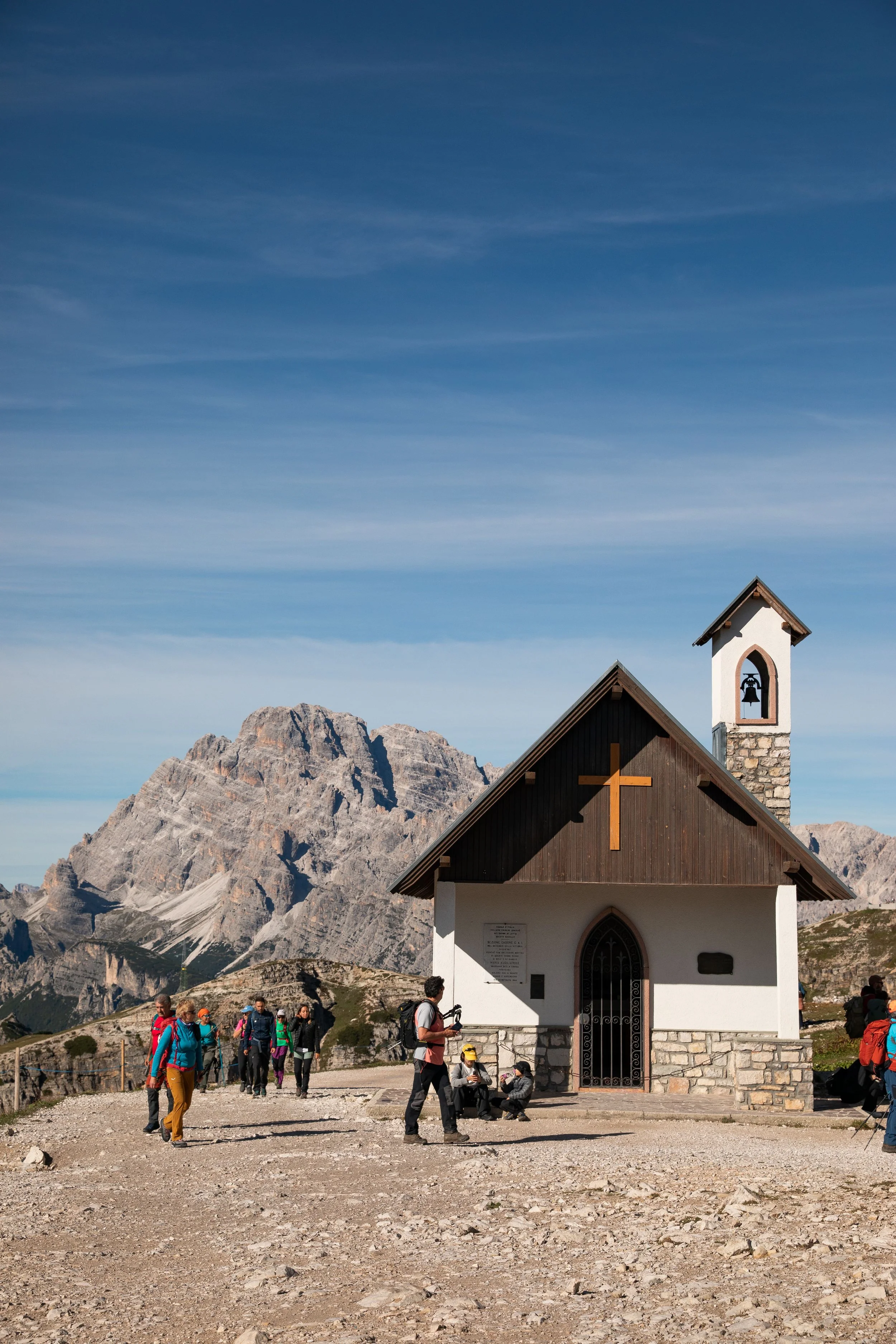
If you only want to hike to the iconic view of the three peaks, you can hike an out-and-back 3-mile round trip trail to the Forcella Lavaredo viewpoint. Unfortunately, we had food poisoning, so we only made it to this viewpoint, but it was STUNNING! I also recommend hiking to the monument near the chapel on the way back for more spectacular views.
If you want to hike a longer loop to experience everything this area offers, the 6.2-mile loop around the three peaks is perfect. This entire hike has incredible views and is worth every ounce of effort. You can even extend the hike in a few areas to get additional viewpoints, including a few lakes near Rifugio Locatelli.
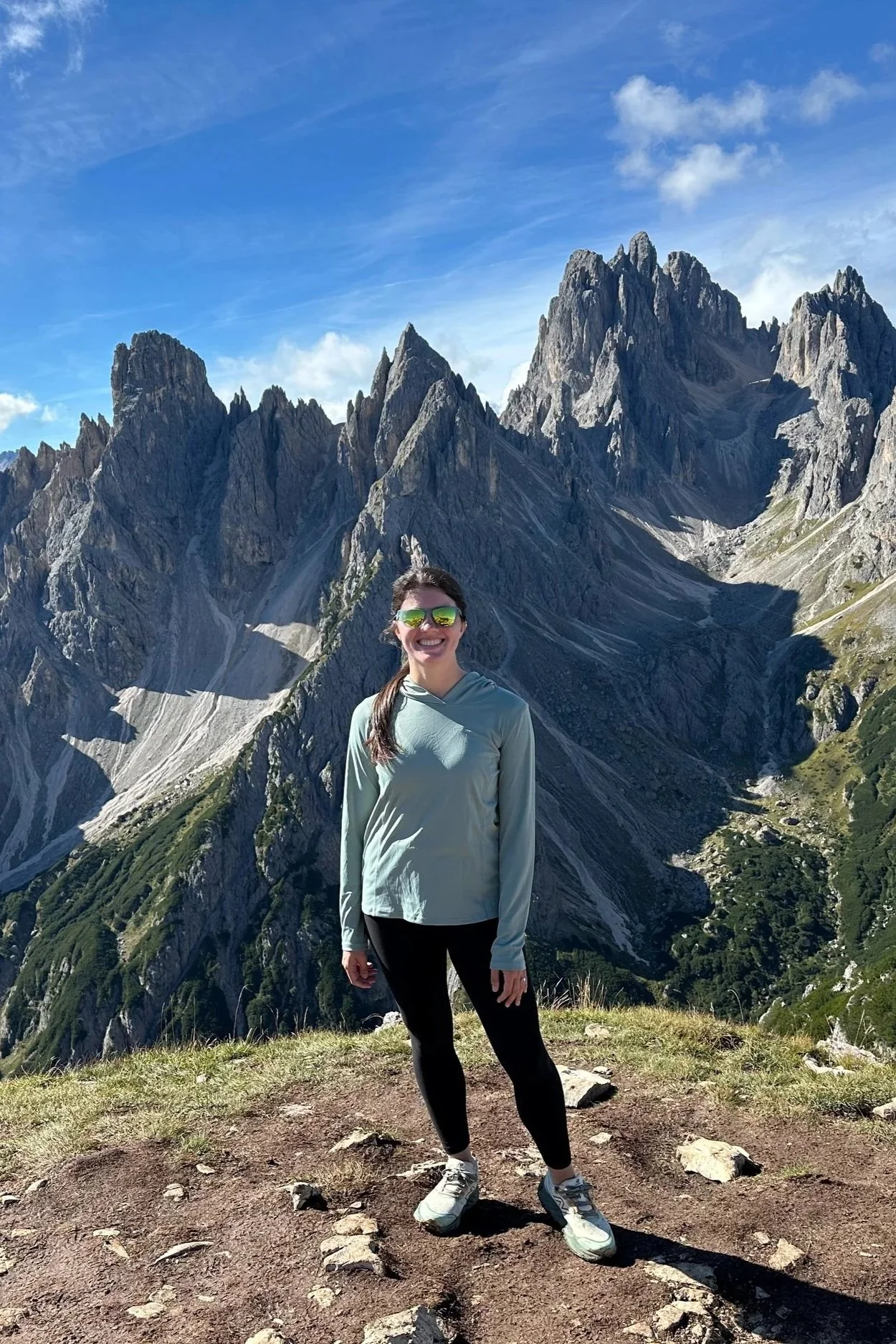
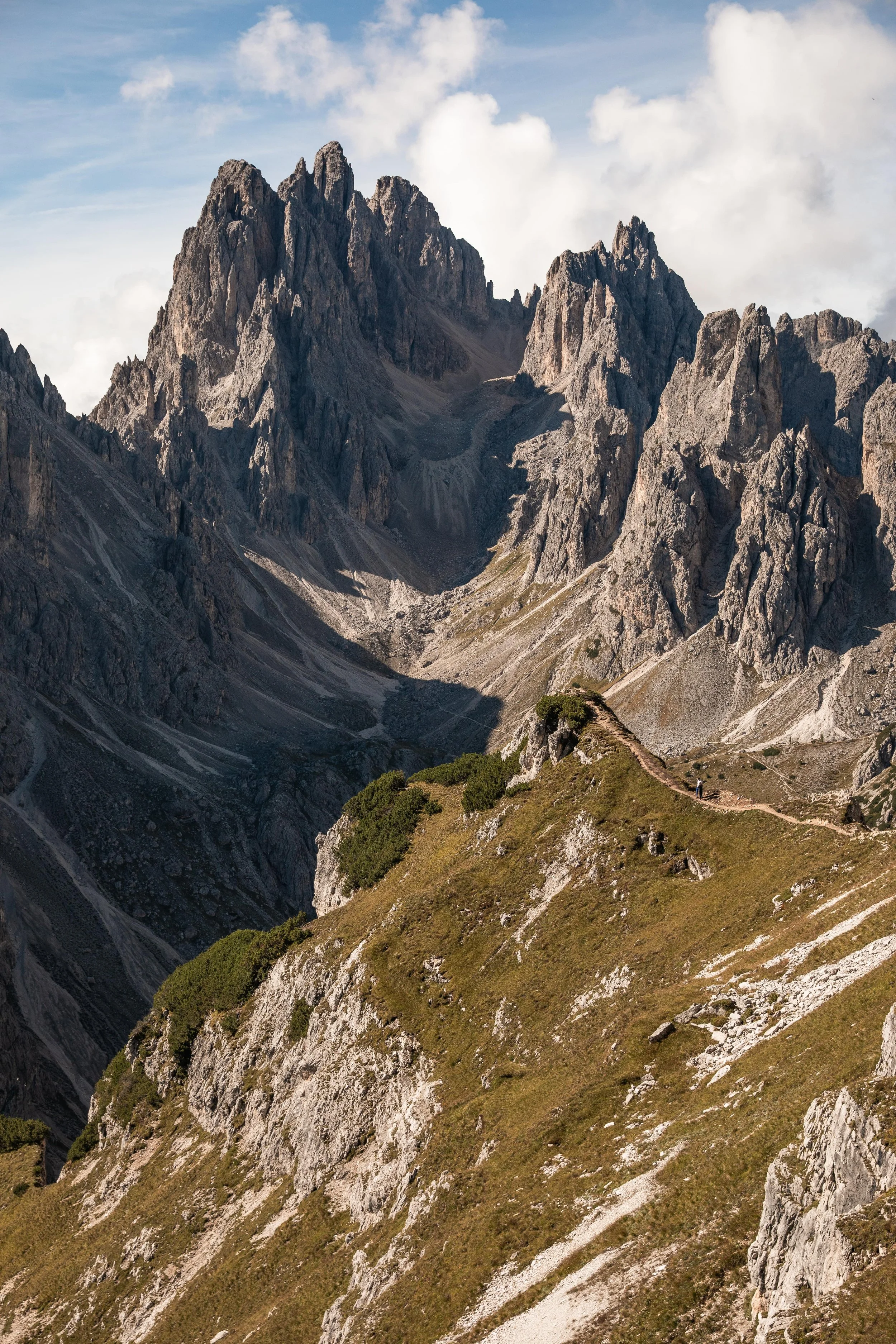
Cadini di Misurina
Cadini di Misurina is another iconic hike, and it was one of the first hikes I saw when learning about the Dolomites, so I knew I had to hike it!
And the best part? It starts near Rifugio Auronzo, and you can hike it before or after you finish the Tre Cime di Lavaredo hike.
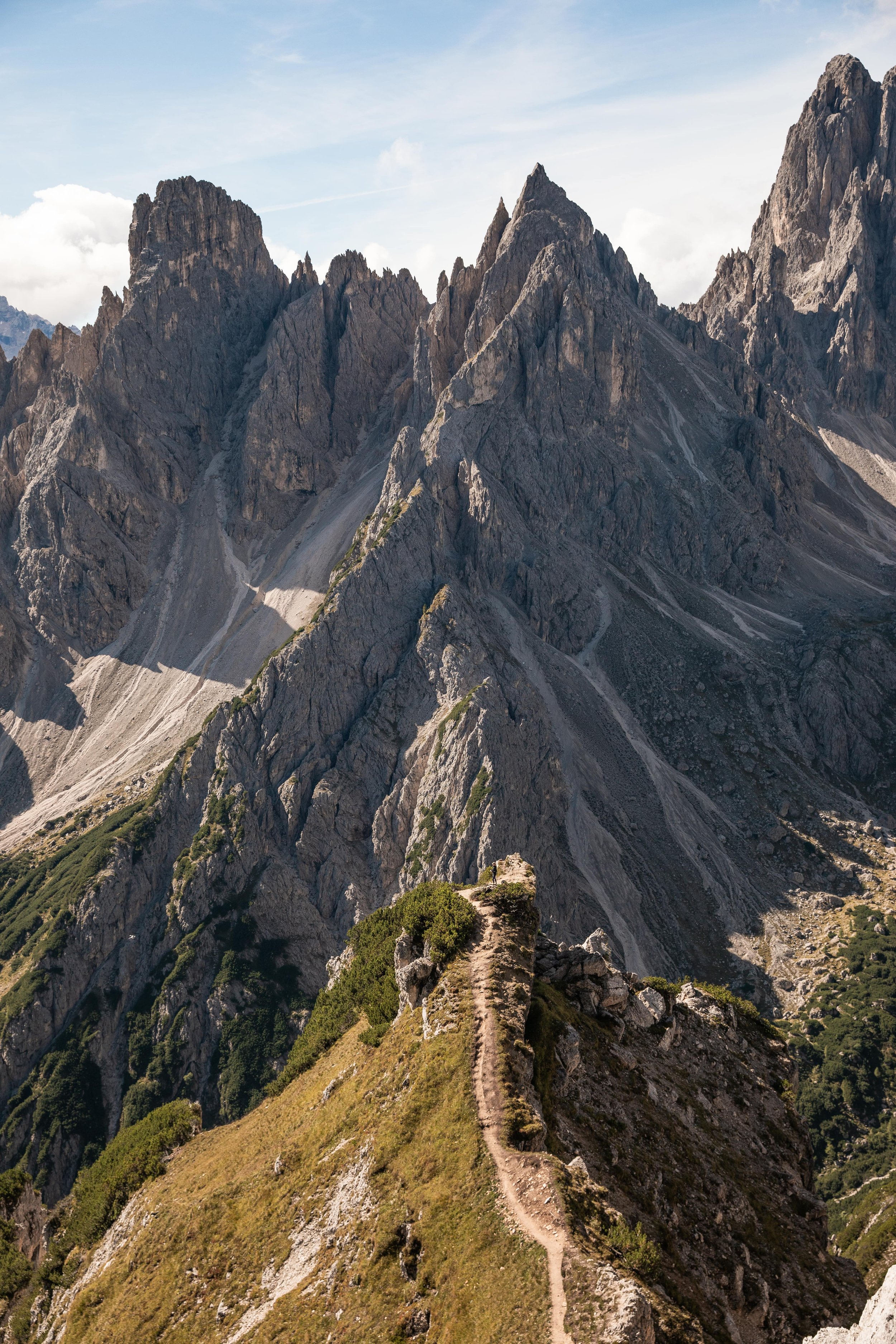
Cadini di Misurina begins across the parking lot from Tre Cime di Lavaredo and immediately descends before ascending steeply to the ridge. Although the hike is only 2 miles round trip, it is steep, making you work for the views.
Now, if you want a photo from the iconic viewpoint, you likely will have to wait in line. Sunrise and sunset tend to have fewer people, but even then, you will have to wait in a short line to get to the viewpoint.
I passed someone on the trail who said they waited over an hour to get a photo at the iconic viewpoint because everyone took about 15-20 minutes once it was their turn. I did not wait in line because the entire trail had stunning views of the mountains, and I did not need to hike to the iconic viewpoint to experience them.
I recommend exploring the trails around the iconic viewpoint because they will have fewer crowds and the same breathtaking views. I shared these viewpoints with a handful of people, and they were large enough that we all could take photos without waiting in line.
After you finish exploring these trails, you can head back to Cortina d'Ampezzo to relax for the rest of the evening! Trust me, after hiking these two trails, it will feel amazing to rest.
Day 5: Lago di Sorapis and Lago di Braies
Lago di Braies
Note: Between July and September, access to Lago di Braies is restricted between 9:30 am and 4:00 pm. You can either take a bus between those times or visit outside of the timeframe.
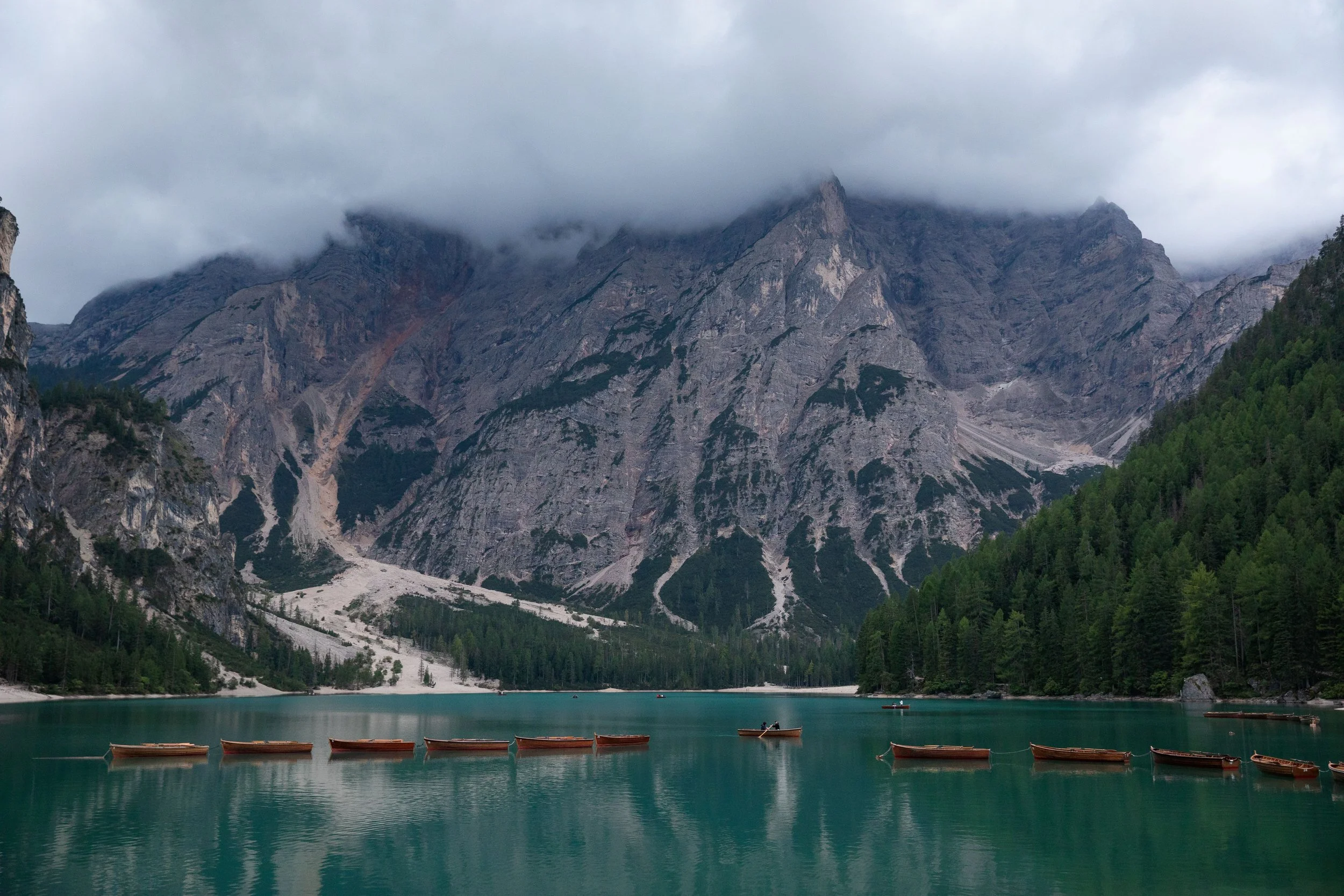
Lago di Braies is an iconic lake in the Dolomites known for its turquoise water, so I am sure you have seen it before. And let me tell you, it is stunning!
Since access is restricted most of the day, I recommend visiting Lago di Braies before 9:30 am. It is a wonderful sunrise spot, and there will likely be fewer crowds.
If you do not want to hike, you can take a quick walk to the lake shore to enjoy the views. You could also rent a boat, but it is expensive. When we went, it was 55€ for 45 minutes, so we decided to skip that.
If you want to explore the lake from a different perspective, I recommend hiking the 2.3-mile loop around Lago di Braies.
We arrived here late, so we only explored Lago di Braies from its shores, but it did not disappoint! Some of the mountains were in the clouds when we visited, but it was still beautiful.
Lago di Sorapis
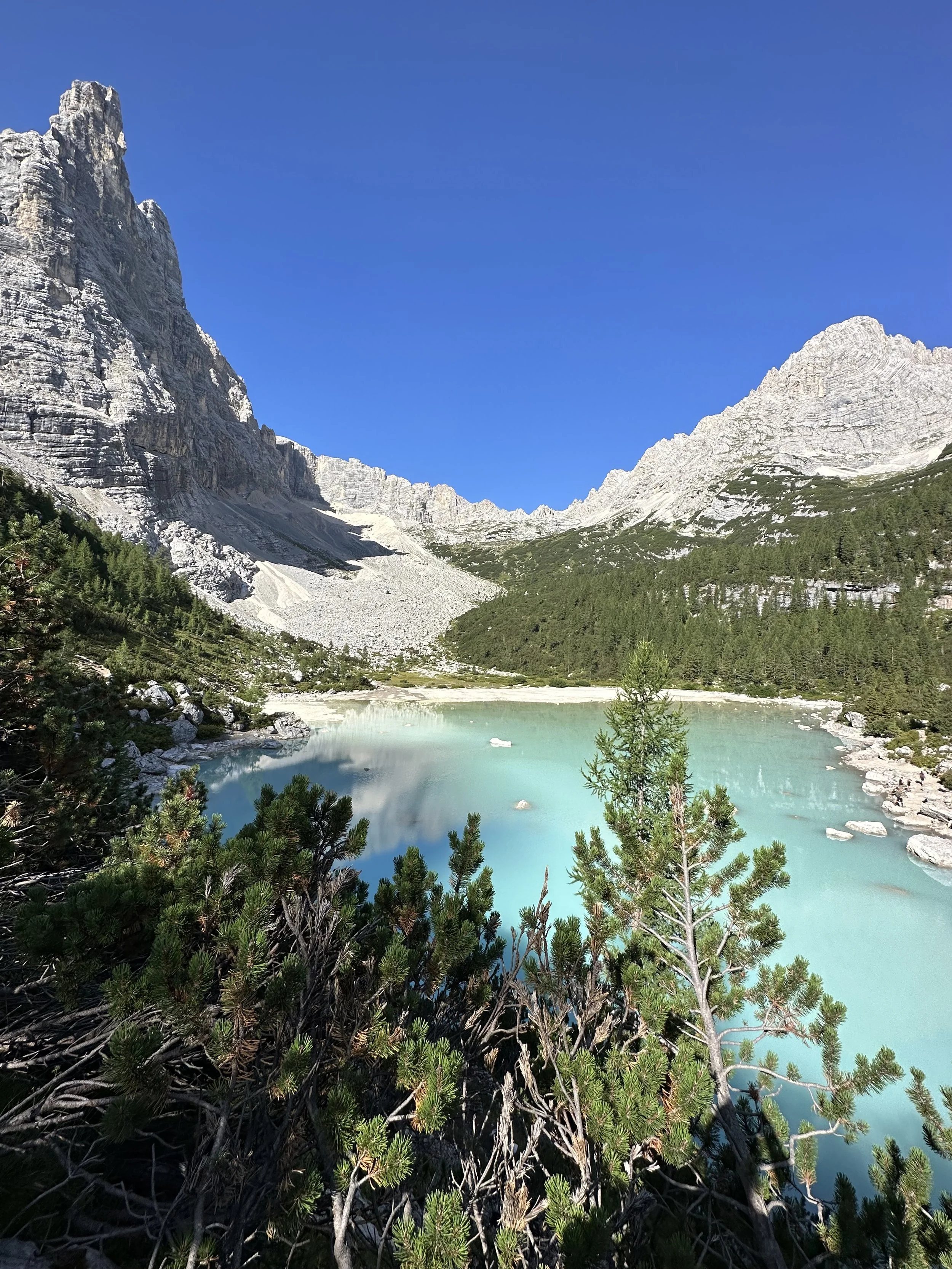
Lago di Sorapis is another iconic hike in the Dolomites that leads to a stunning, bright blue lake. It is one of the most popular hikes, so I recommend arriving early to enjoy the area before the crowds come in.
The hike to Lago di Sorapis is not easy and will make you work for the views. The trail is 8 miles round trip with 2,000 feet of elevation and a few exposed sections. If you do not have time for both this hike and Lago di Braies, I recommend picking one to enjoy on your last day in the Dolomites.
The first half of the trail leads you through a beautiful forest before bringing you out on an exposed trail as you begin to ascend. The second half is exposed and steep, but once you arrive at the top, you are rewarded with breathtaking views of Lago di Sorapis.
You can enjoy the views from the beginning of the lake or continue hiking around the lake for unique views and fewer crowds.
Lago di Sorapis is a strenuous hike, but it is worth it for the views of the lake and surrounding mountains!
Days 6-7: Venice
Getting to Venice
I recommend dropping off your car rental before heading into the city. Since you cannot drive in Venice, you would have to pay for parking during your stay, so it makes more sense to drop off your car and save some money.
Venice has a great public transportation system to reach downtown from the airport or nearby towns. The two most popular ways to reach Venice are by bus or ferry, which can be taken from the airport.
We took the airport bus downtown, and the kiosks are right outside the airport. The two popular routes are Line 5 and Line 35, which bring you to Piazzale Roma.
If your accommodation is along the eastern side of Venice, it may be easier to take a ferry to be closer to your hotel. The ferry leaves from the airport and brings you to the eastern side of the city.
Once you are in the city, you can either walk or take a vaporetto. Vaporettos are public transportation water taxis and bring you pretty much anywhere in Venice. I recommend walking instead because it is the best way to see the city.
Piazza San Marco
Piazza San Marco (also known as St. Mark’s Square) is in the heart of the city and arguably the most famous area in Venice. It was fun to stand in the middle of it and take in the beauty and architecture of its buildings.
Piazza San Marco is home to some of the most famous buildings in Venice, including Saint Mark's Basilica, Doge's Palace, Bridge of Sighs, St Mark's Campanile, and Torre dell'Orologio. All of these places are included in this day of the Venice itinerary, so do not worry, you will visit them all!
On the first morning we were in Venice, we walked around with no destination in mind and ended up in Piazza San Marco. It was stunning in the morning light! We came back later in the day when I had my camera, and it was much more crowded, which is why I recommend visiting in the morning.
Saint Mark's Basilica
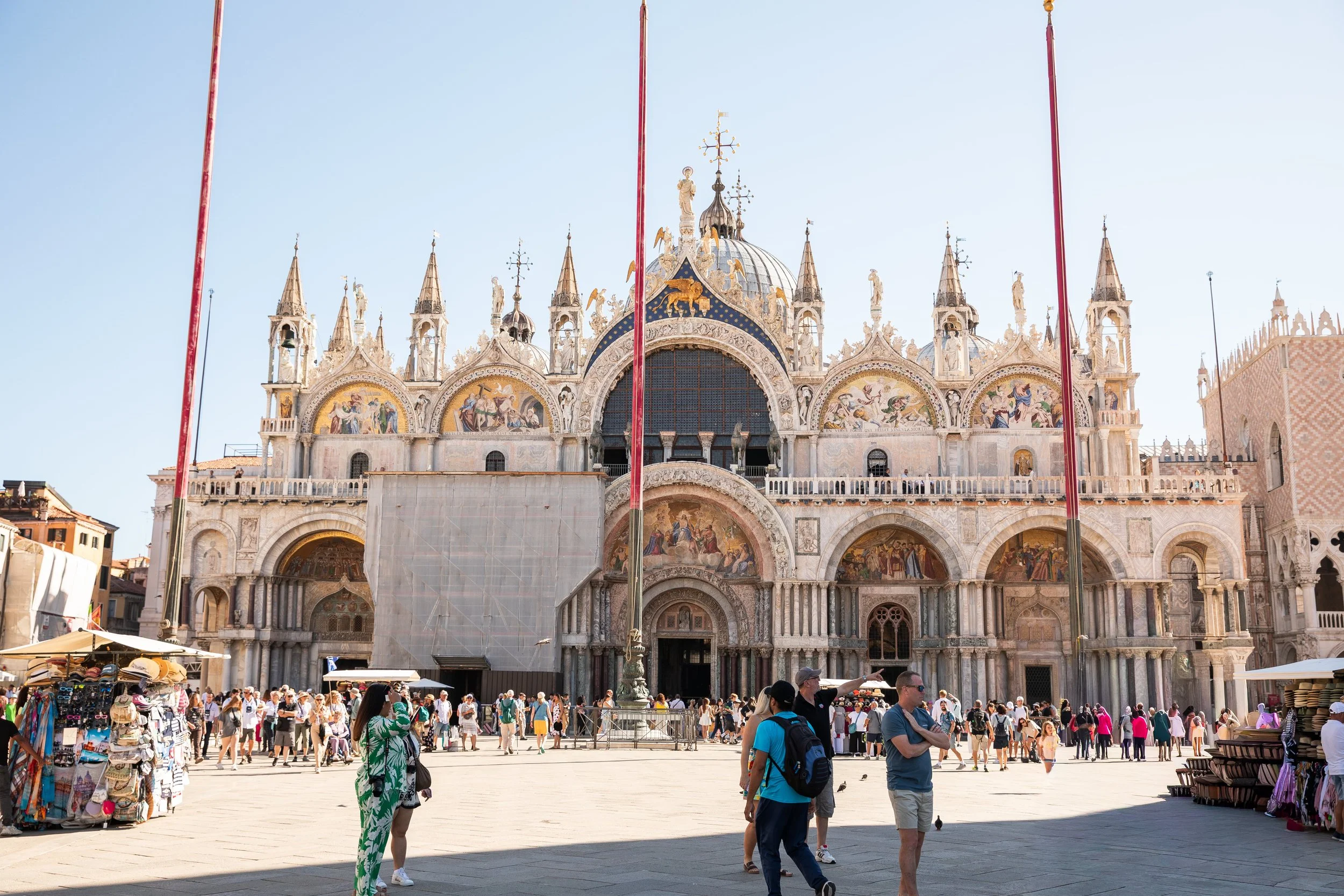
Saint Mark's Basilica is one of the most beautiful buildings in Piazza San Marco! It dates back to the 9th century AD and became the cathedral of the city in the early 1800s.
Its architecture blew me away! Even with some construction on it, it was the most beautiful building in Venice.
You can either enjoy Saint Mark's Basilica from the outside or pay a small fee to explore inside. Since you are visiting in the morning, you can be one of the first people in line if you want to walk inside Saint Mark's Basilica. It opens at 9:30 am (except on Sundays), and you can buy your ticket online to save time at the door.
Doge's Palace
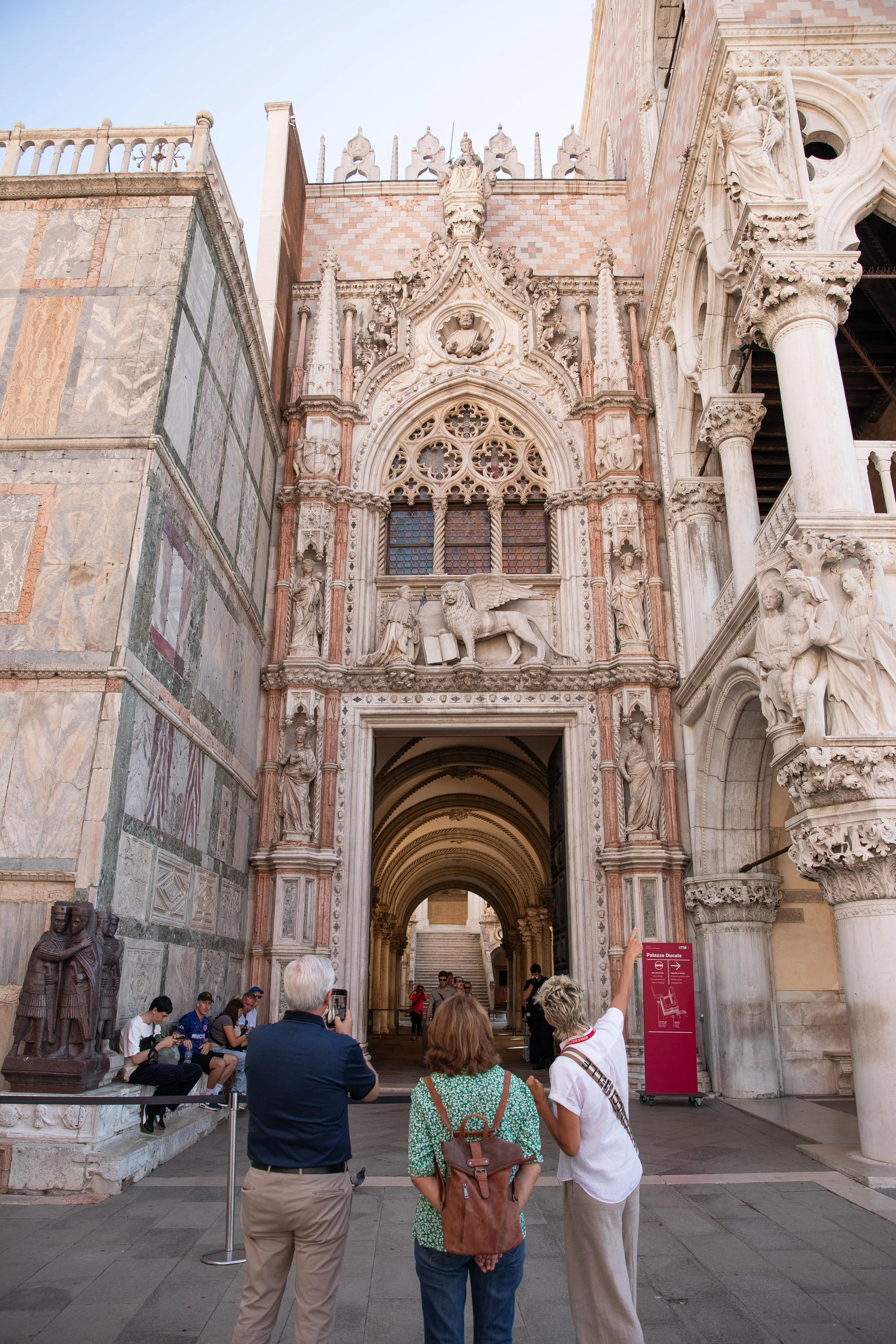
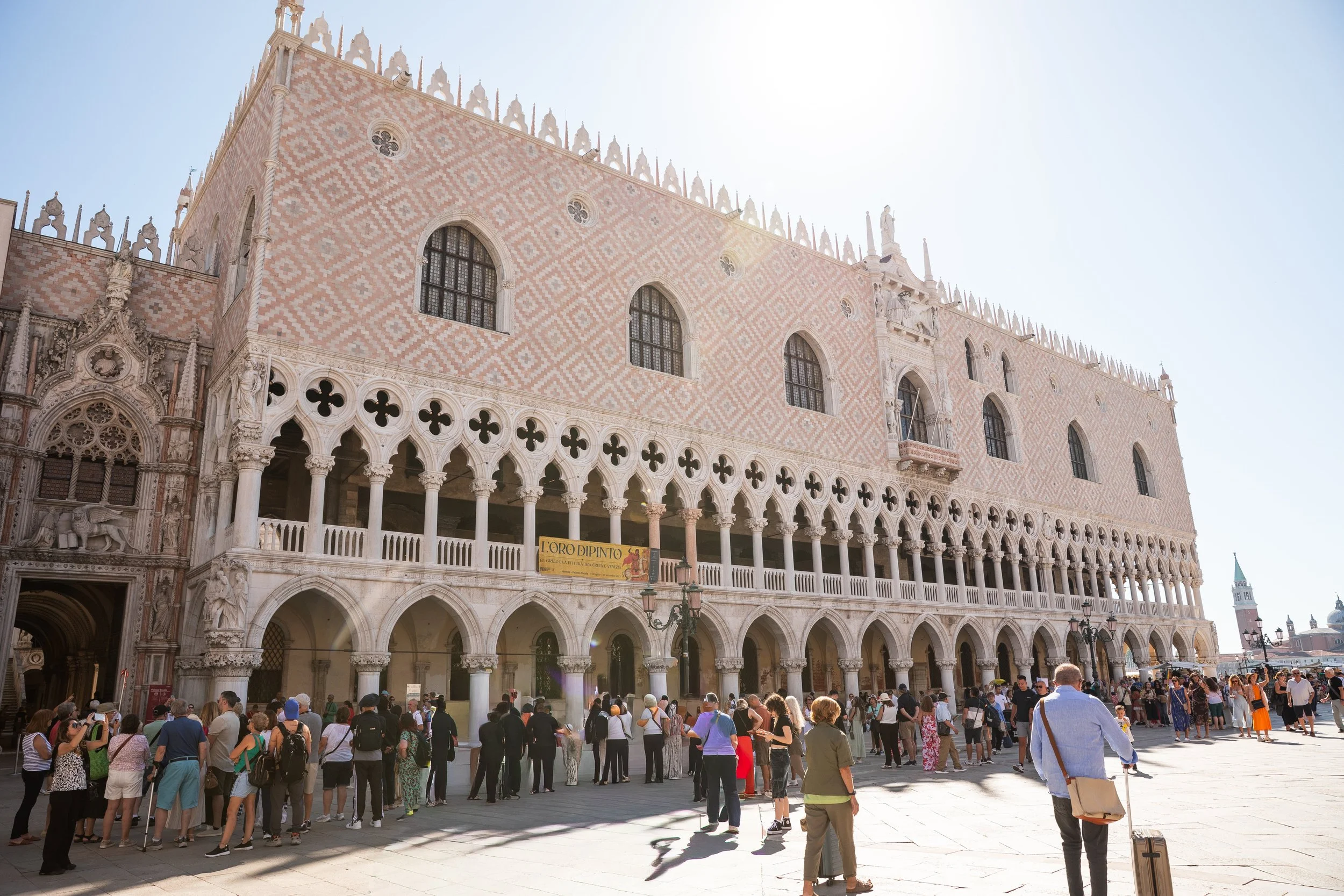
Doge's Palace is directly next to Saint Mark’s Basilica, and it was my second-favorite building in Piazza San Marco. Its Venetian Gothic style architecture is stunning!
Saint Mark’s Basilica used to have an apartment for the Doge, a government seat, and a jail, but it is now a museum that visitors can explore to learn about its history.
If you want to explore the inside of Doge’s Palace, you have to pay a fee (which was around 25€ when we visited). The fee also allows you to walk inside the Bridge of Sighs, which was the final walk of prisoners before their execution.
Since this is another one of the most famous places to visit in Venice, the lines to get inside are very long. I recommend purchasing your tickets online in advance to avoid long ticket lines. Doge’s Palace is right next to Saint Mark’s Basilica, so you can easily visit it after you are finished exploring that.
If you do not want to visit the inside of Doge’s Palace, have no fear! You can easily enjoy the building’s beauty from the piazza, and you can walk to the Bridge of Sighs on its other side.
St Mark's Campanile
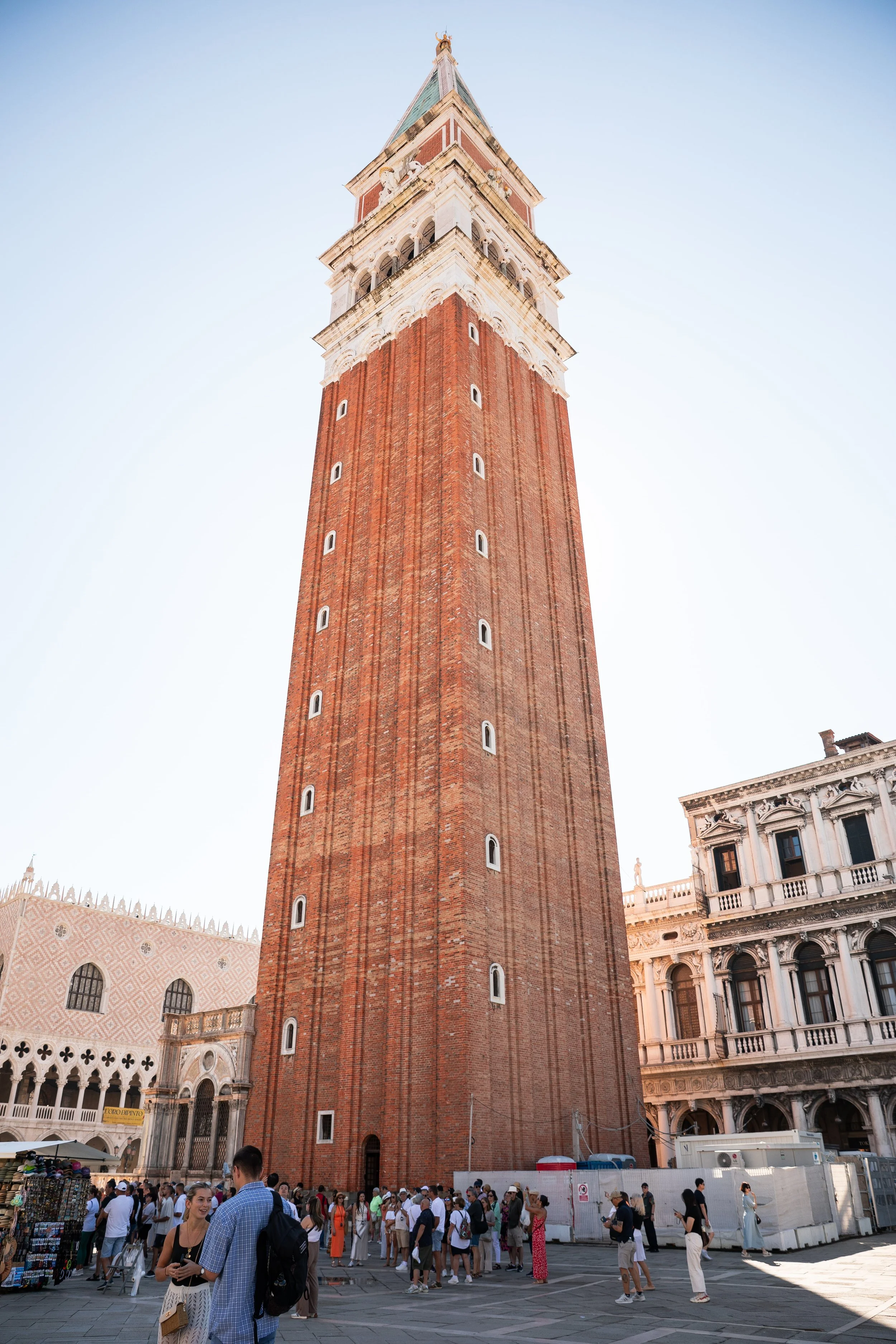
If you want a unique view of the area around Piazza San Marco, you are in luck! St Mark’s Campanile is directly across from Saint Mark's Basilica, standing at about 325 feet (99 meters) tall.
When we visited Venice, the entrance fee was 12€ to take the elevator to the top. Once at the top, you can take in the beautiful view of Venice!
I recommend purchasing your ticket online in advance for your preferred timeslot. Booking tickets online is the way to go to avoid waiting in long lines, trust me!
Bridge of Sighs
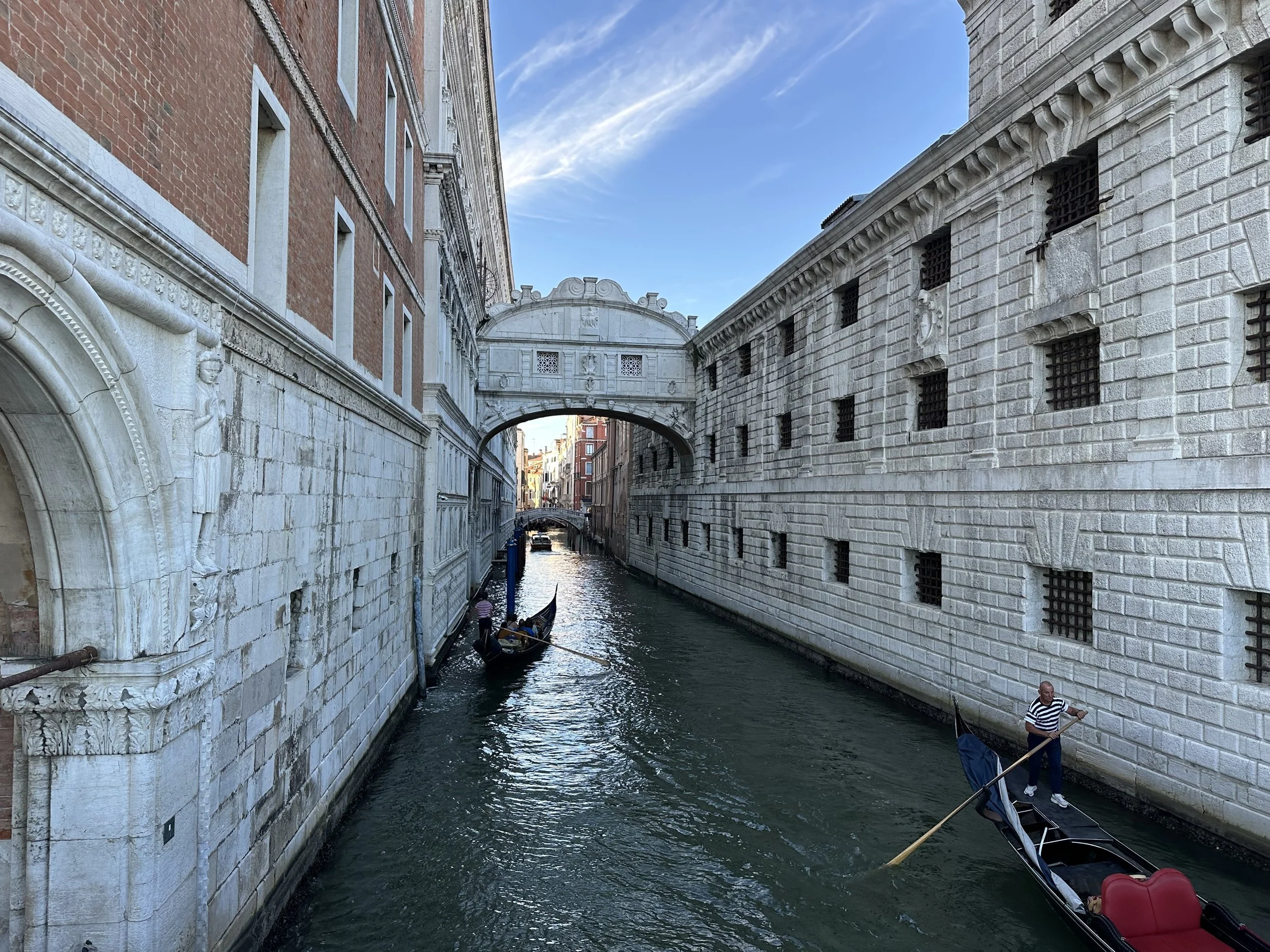
The Bridge of Sighs is located on the other side of Doge’s Palace and was built in the early 1600s to connect Doge's Palace to the new prison. It used to be the final walk of prisoners before their execution. Now it is a place visitors can walk across if they visit Doge’s Palace or view it from the outside.
If you want to visit the Bridge of Sighs from the outside, you can walk around Doge’s Palace and head to Ponte della Paglia. From the top of the bridge, you can see the Bridge of Sighs!
Ponte di Rialto
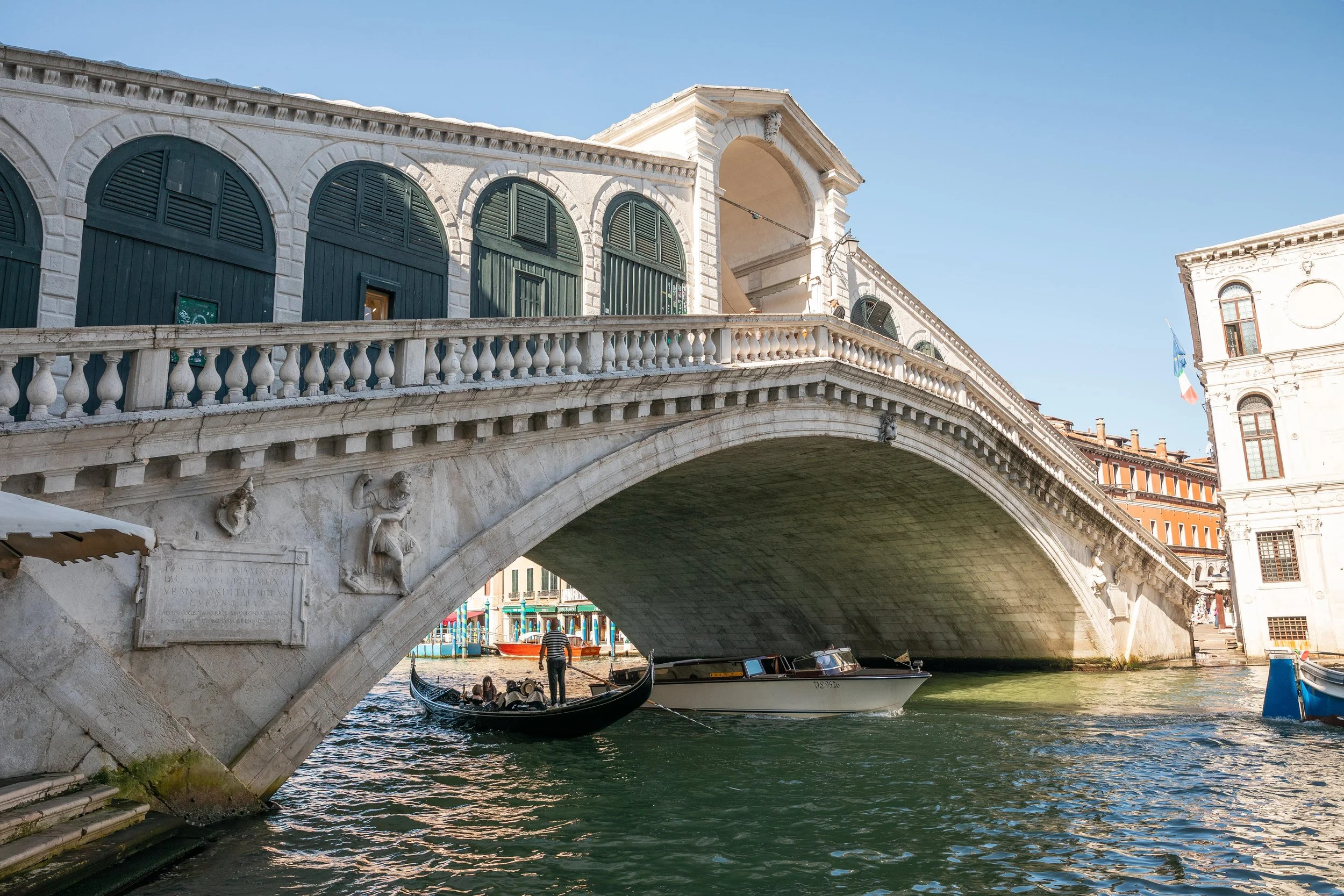
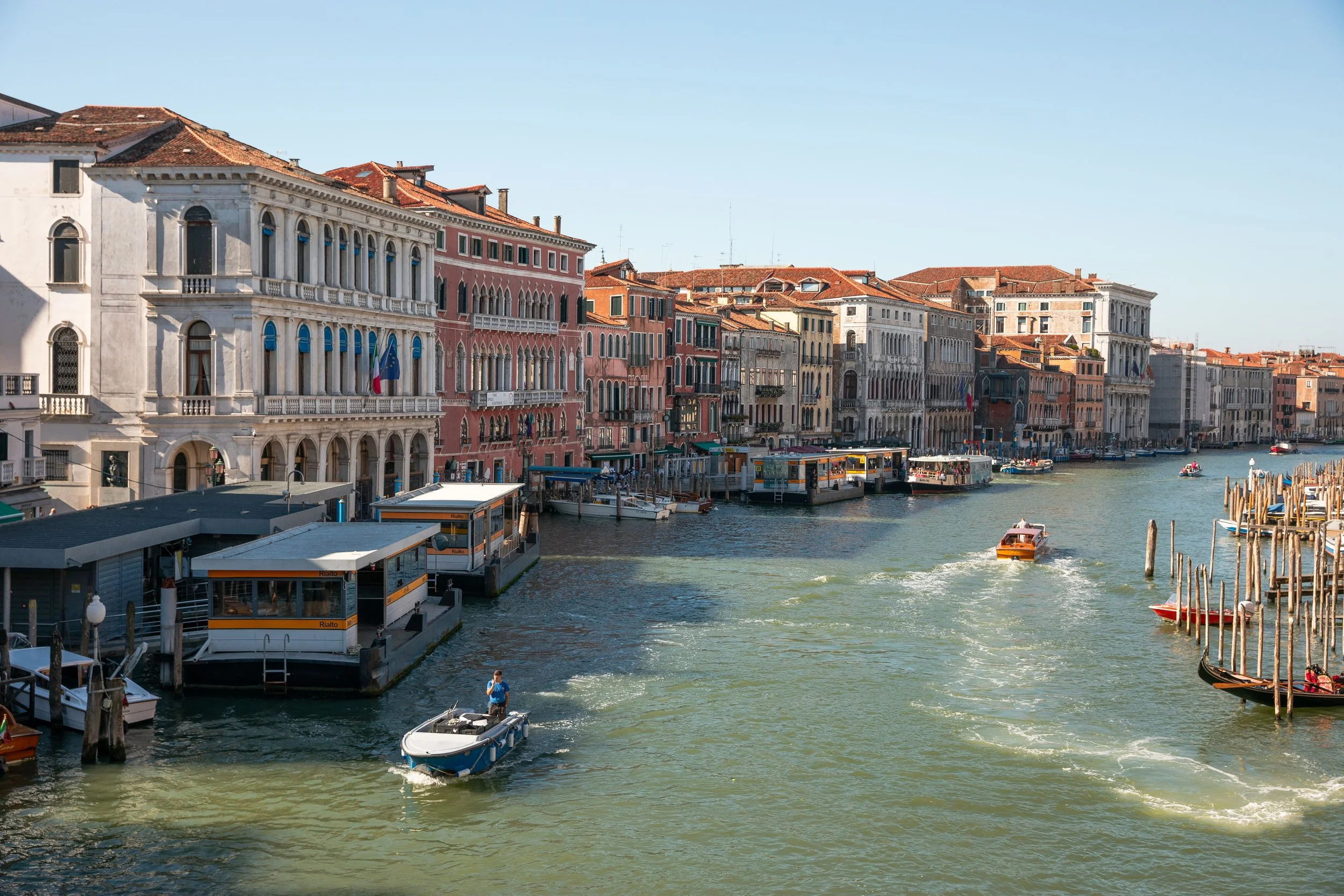
Ponte di Rialto is the oldest bridge spanning the Grand Canal and is the most famous bridge in Venice. The bridge itself is beautiful, but I loved the views from the top overlooking the Grand Canal.
Since this is one of the most popular things in Venice, I recommend visiting in the morning. Trust me, we passed by midday, and it was crazy! This is also a popular area for pickpocketers, so exploring it when there are fewer people is better.
If you want the iconic photo of Ponte di Rialto, you can take a photo on either side of the bridge. We found the best photo spot to be near Ristorante Al Buso, and we did not have to wait in line because we arrived early.
Gondola Ride
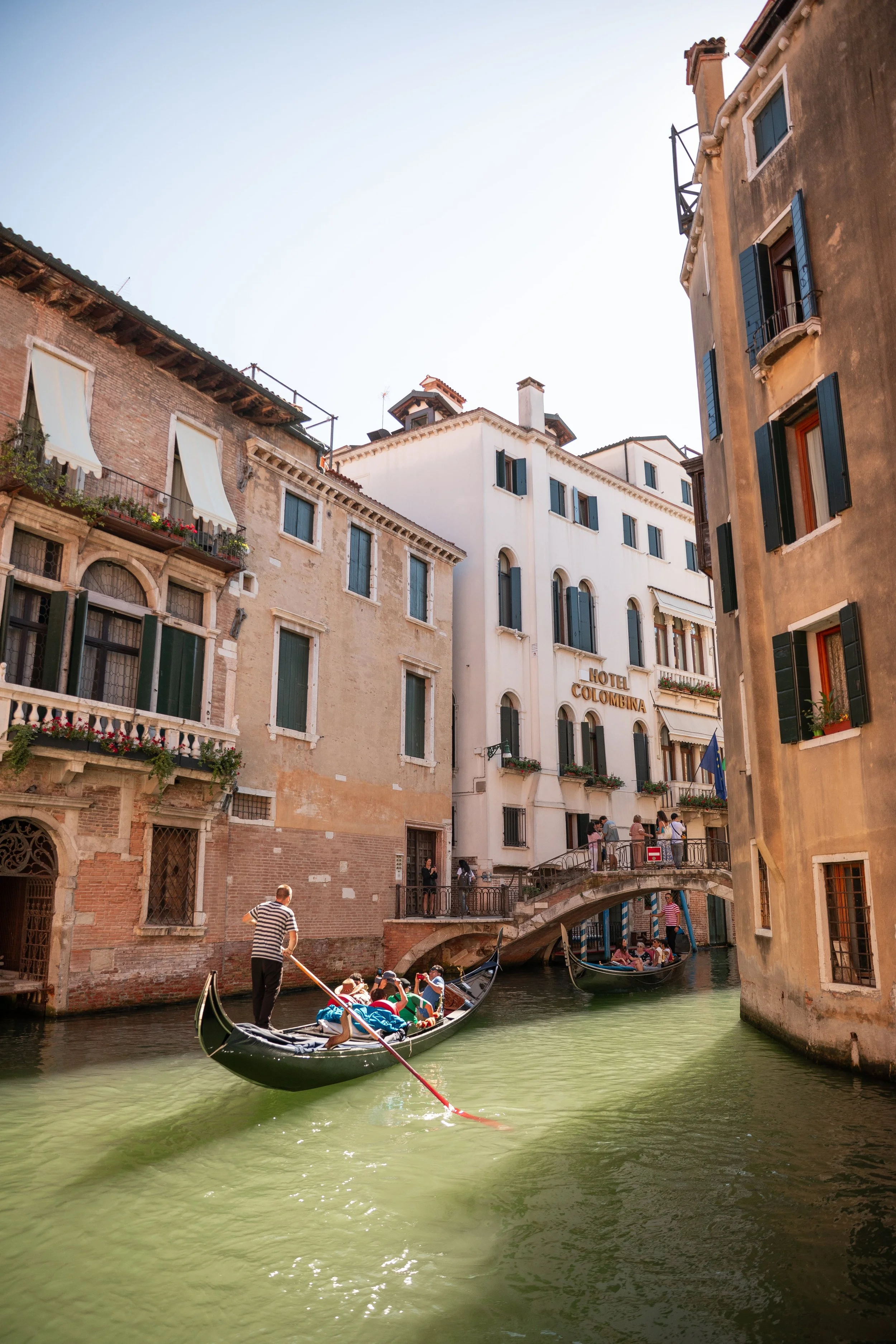
If exploring the canals by gondola is on your bucket list, I recommend getting a ride in the morning. The lines midday are CRAZY, and the canals will be more peaceful in the morning. Riding a gondola in the Grand Canal is incredible, and trust me, you will want to have a morning ride to avoid congestion.
When we visited, a 30-minute gondola ride was 90€ most of the day and a bit more around sunrise or sunset. It is on the pricier side, but it is an iconic thing to do in Venice.
If you do not want to ride a gondola, you can walk along the Grand Canal, exploring its shops, enjoying the beautiful views, and getting lost in its streets.
Ponte dell’Accademia
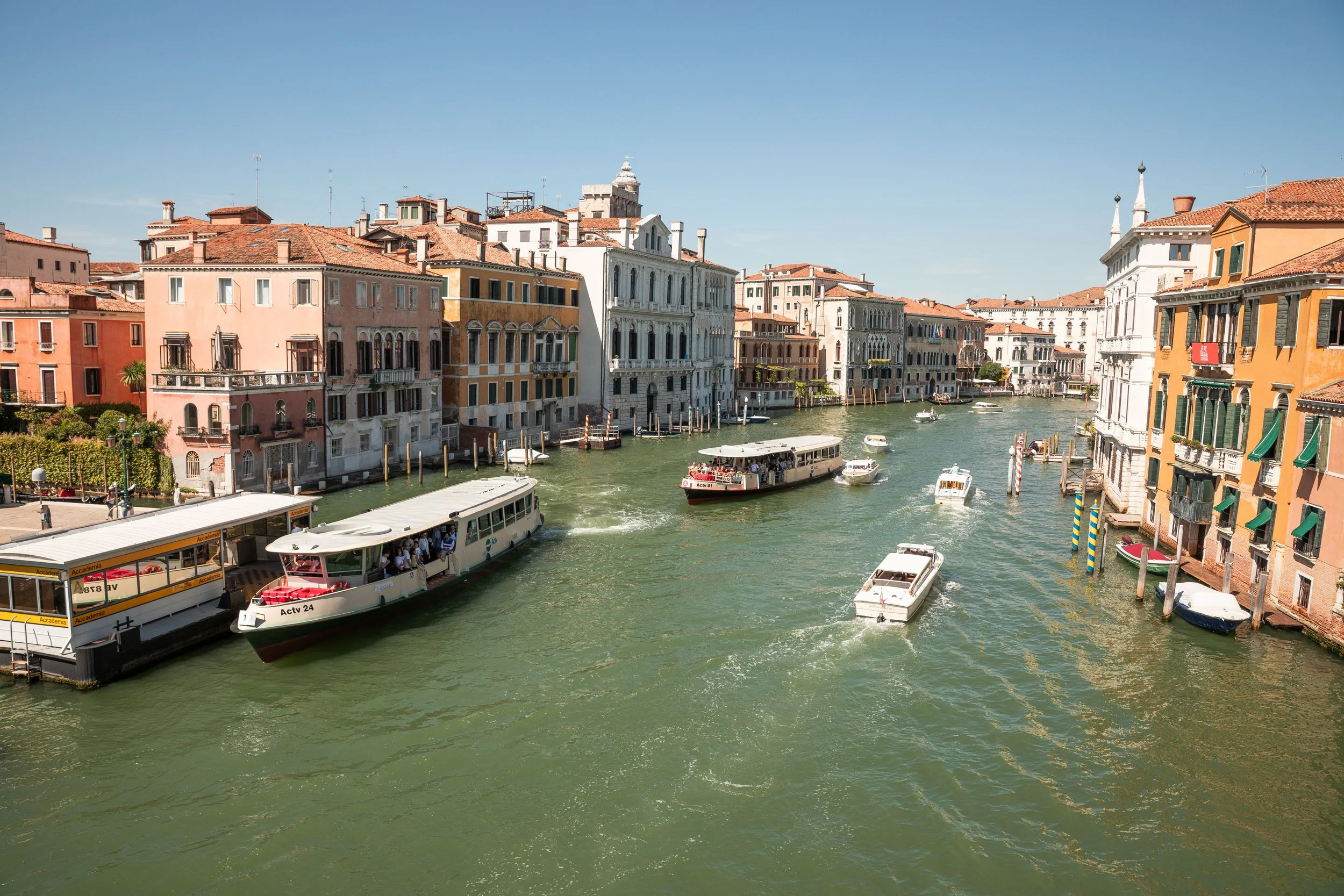
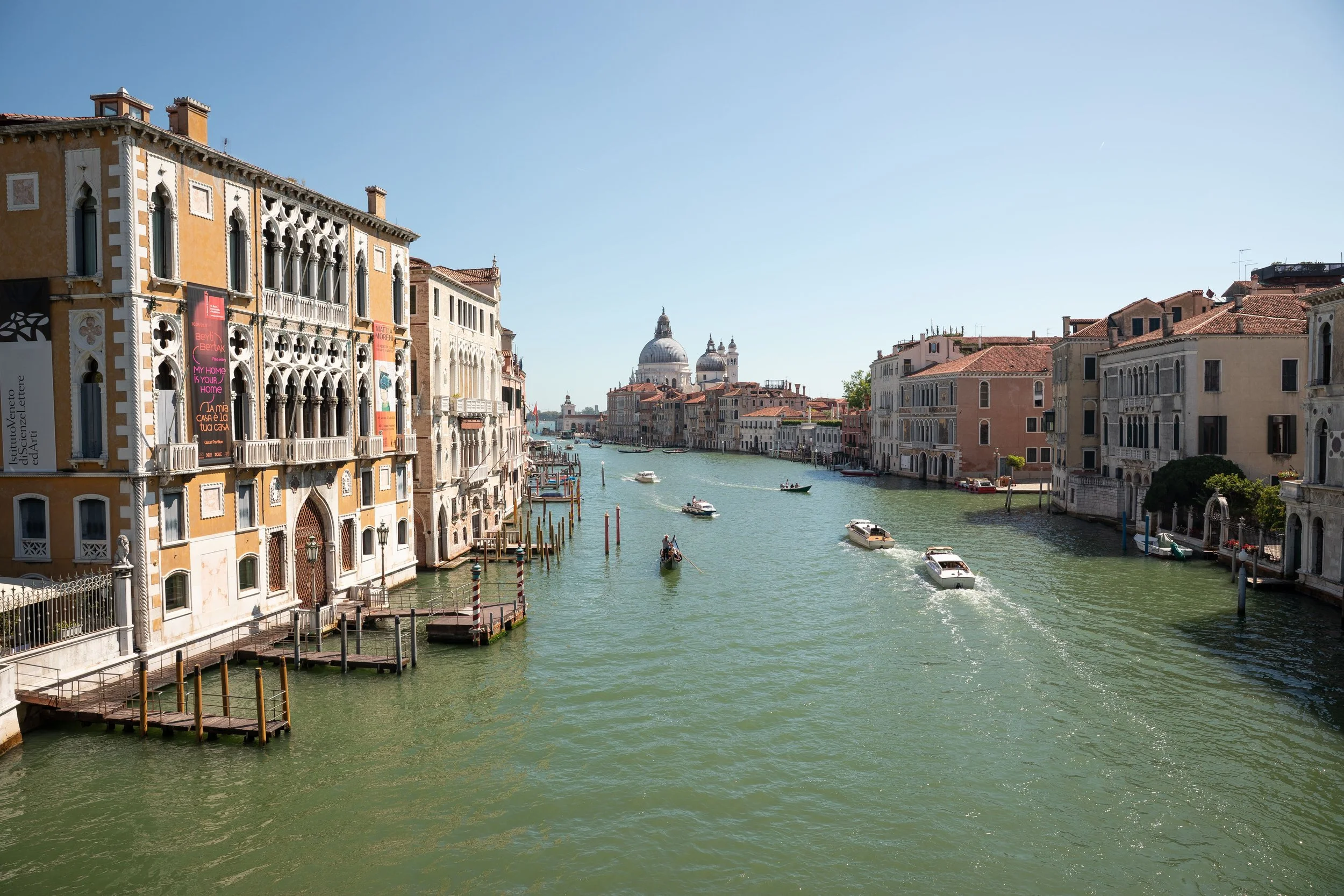
Once you are towards the southwest side of Venice, I recommend visiting another beautiful bridge, Ponte dell’Accademia. Venice has four bridges that span the Grand Canal, and Ponte dell'Accademia is one of my favorites.
Ponte dell’Accademia links San Marco to Dorsodouro, and the view from the top of the bridge overlooking the Grand Canal is stunning! If you like museums, you can also visit the Gallerie dell'Accademia after walking over Ponte dell'Accademia.
Basilica Santa Maria della Salute
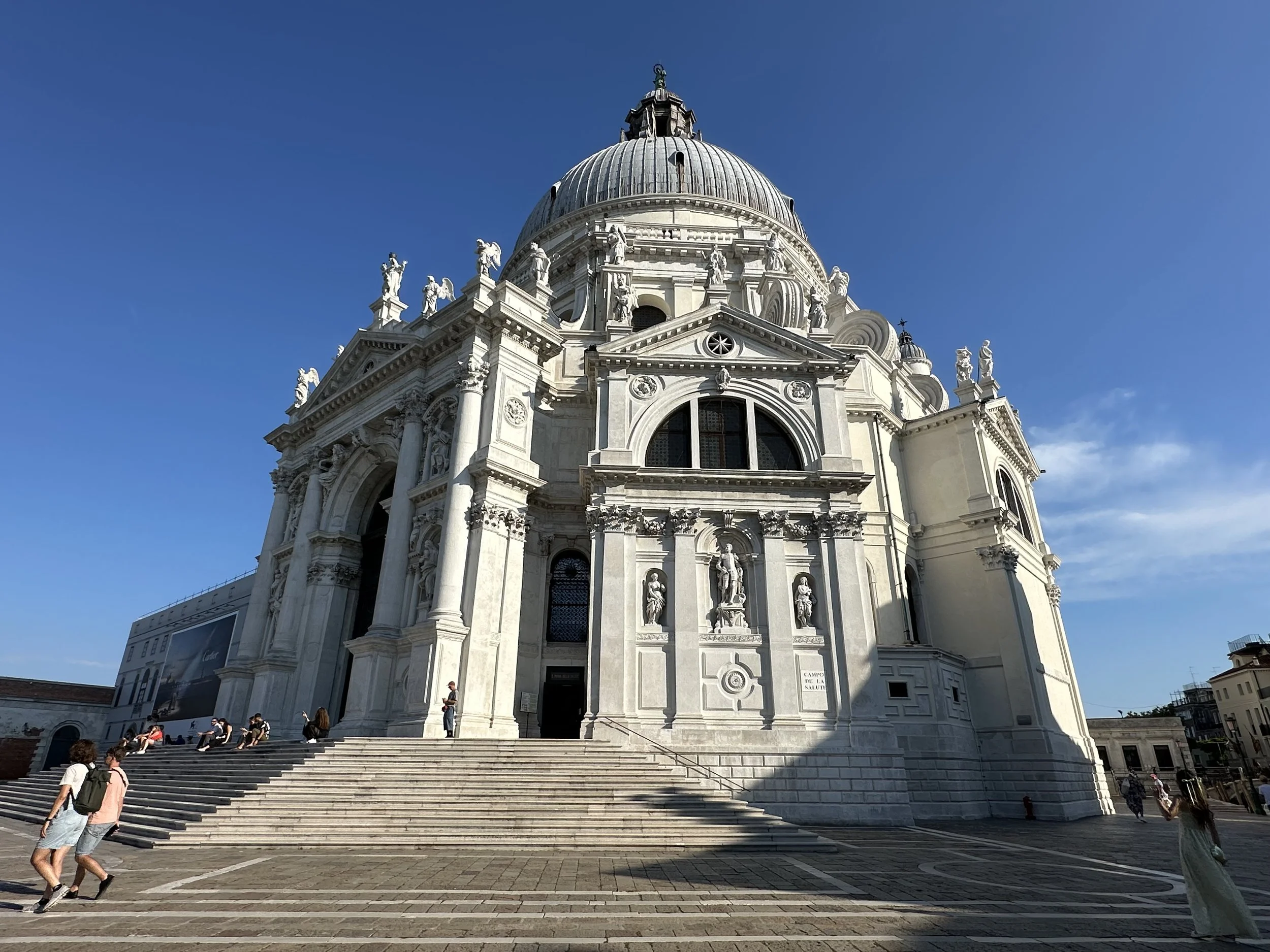
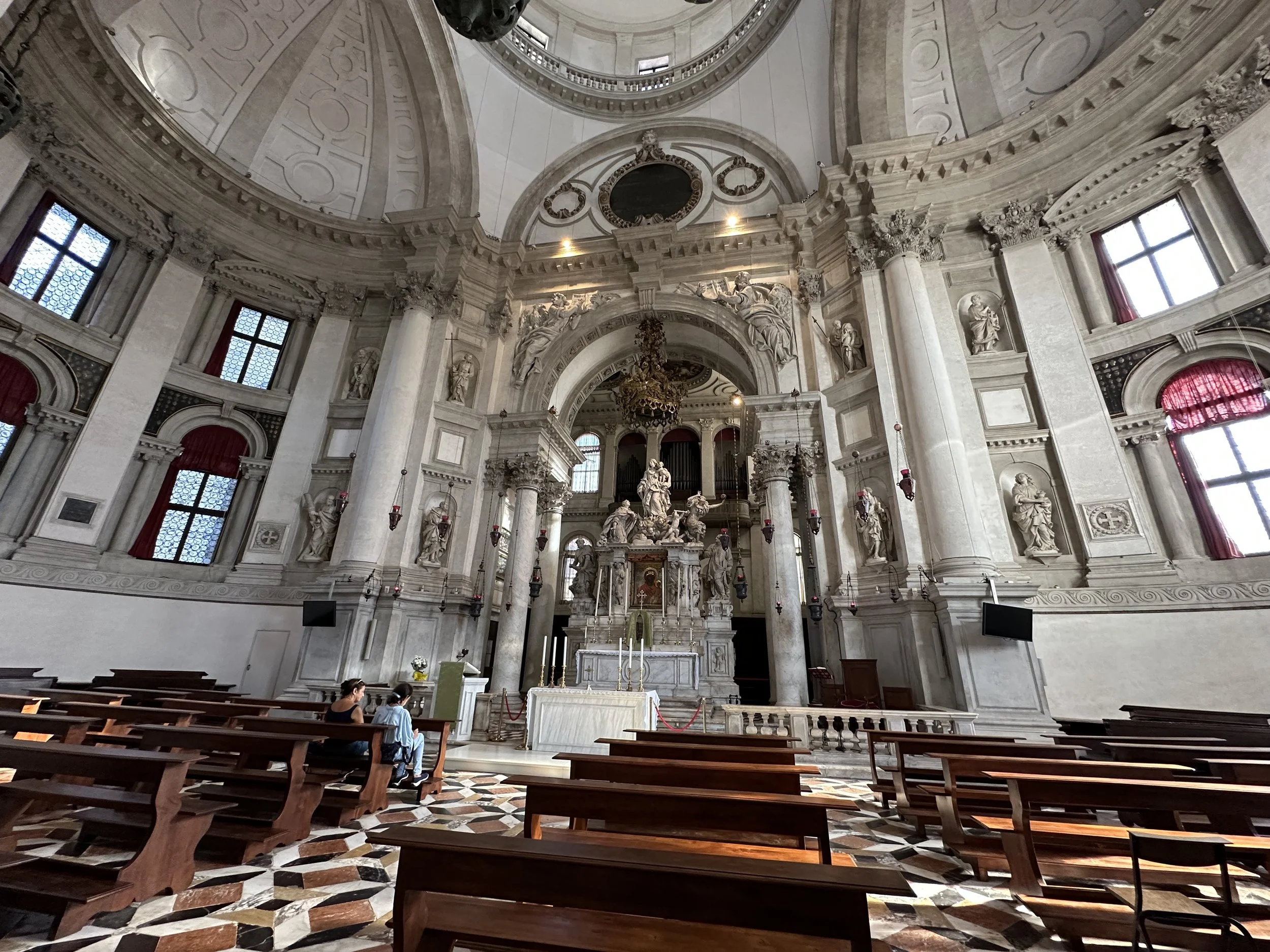
Basilica Santa Maria della Salute is at the very end of Dorsodouro, and it is breathtaking inside and out. I recommend taking the time to visit inside because it is beautiful with its architecture and art.
I also recommend walking around it to the very end of Venice to get a view looking towards Piazza San Marco. We sat here for a bit, enjoying the view while people-watching. Compared to the rest of the city, it felt remote, which was a nice change of pace.
Get Lost in Venice
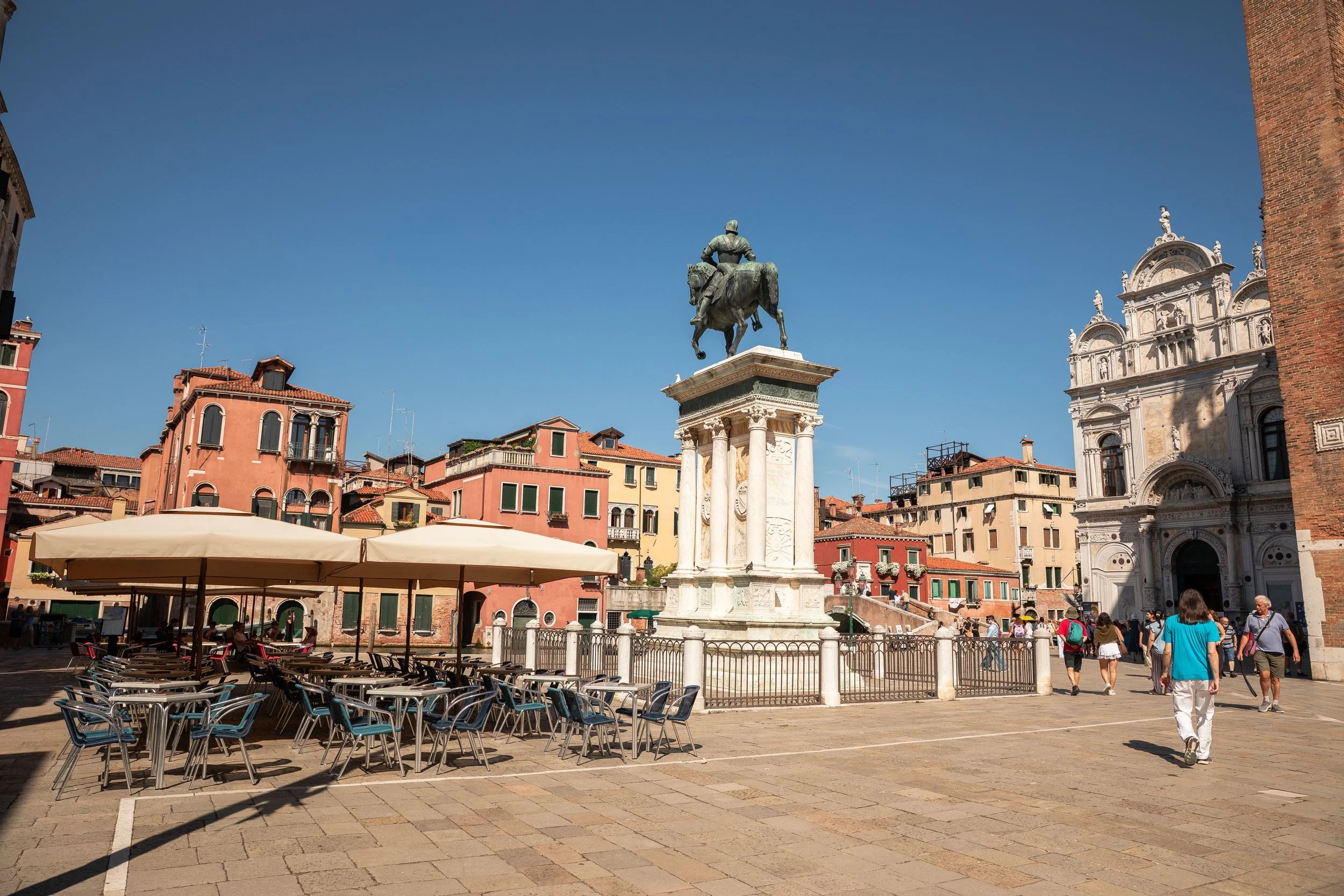
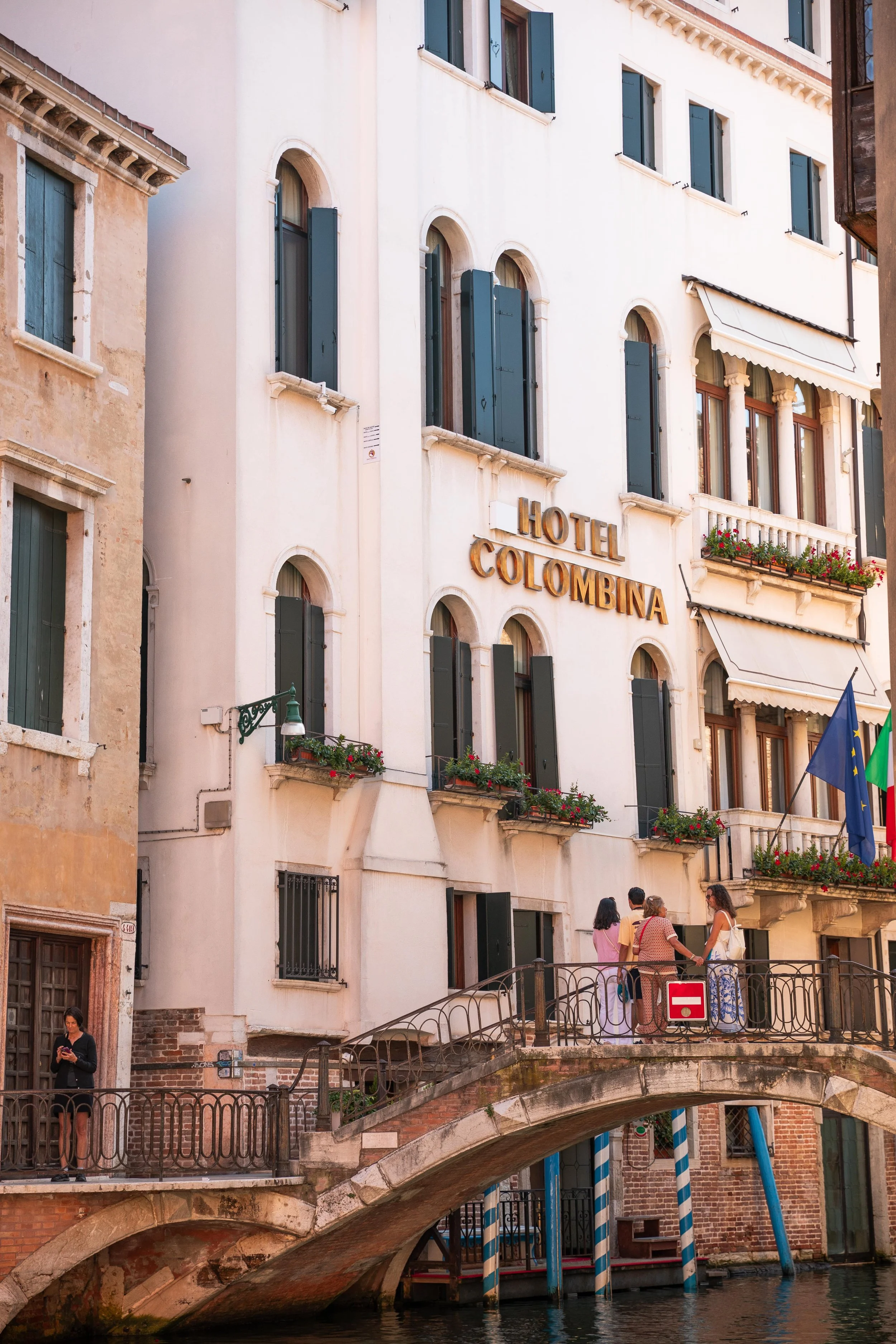
This was the best piece of advice we received before our trip, because truly, the best way to explore the city is to walk around.
Of course, I recommend visiting everything on your Venice bucket list, but I highly recommend taking at least a half-day to walk around the narrow streets with no destination in mind. We found many cute streets, shops, and cafes doing this, and I believe it is the best way to experience Venice.
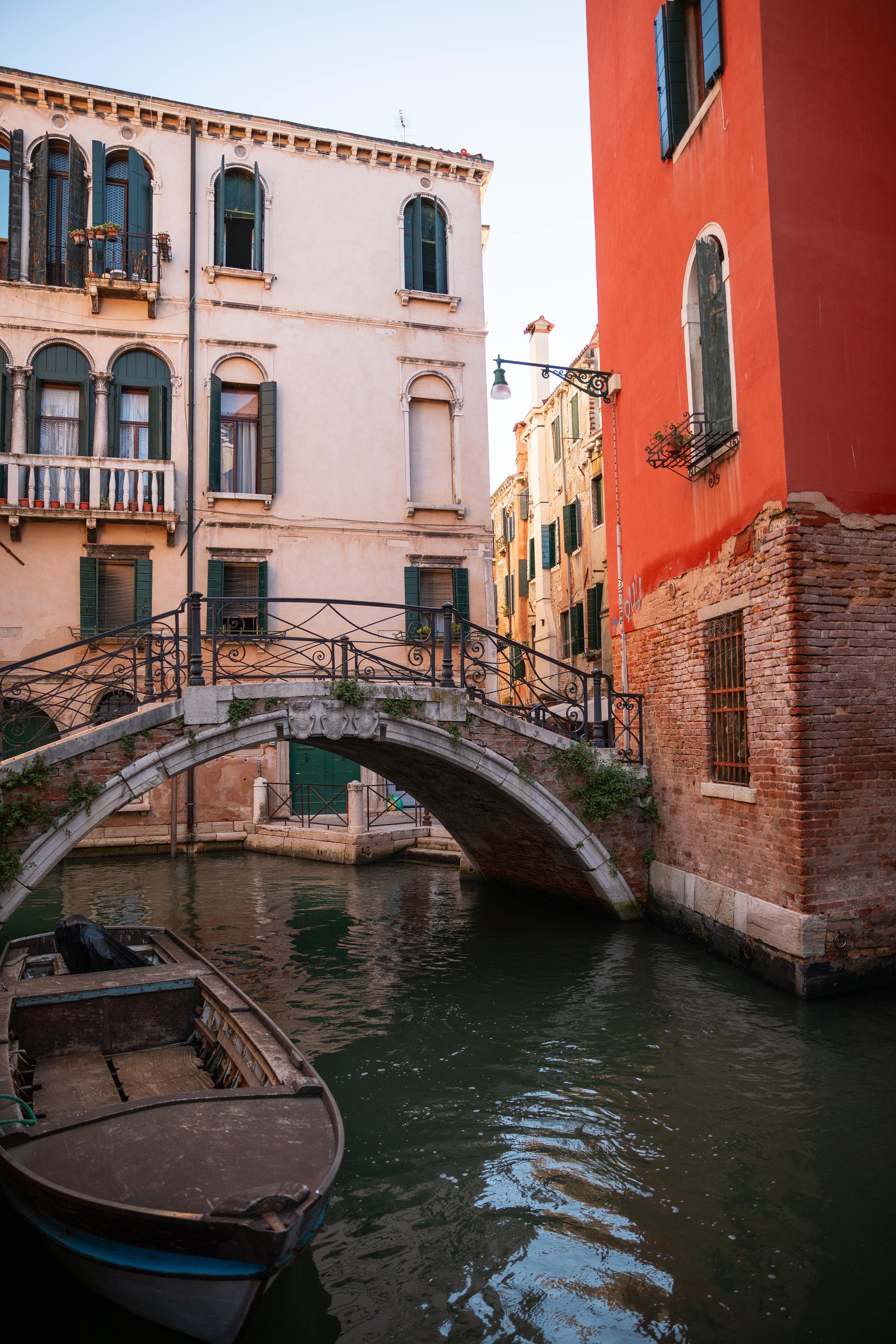
If you want to visit northern Italy, you are in the right place! This guide has everything you need to know about the best 7-day northern Italy road trip itinerary to visit the Dolomites and Venice.

Hey, I’m Nichole!
I am the creator behind Nichole the Nomad, the home of my explorations around the world, mountain hikes, and beautiful pictures taken along the way. I have a deep passion for capturing the world in a beautiful light and sharing my experiences.
I created this blog to share my travels, show how beautiful the world is, provide tips and tricks for traveling, and encourage you to explore. Whether you want to travel across the world or explore what’s in your backyard, I hope this blog inspires you to get outside and find your adventure!
Pin it for later!